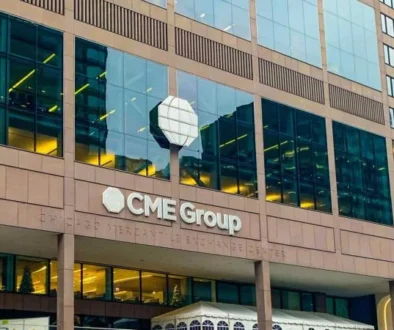
Spot Bitcoin ETF holders can hedge Thanksgiving’s 41.5-hour trading gap using CME futures

Spot Bitcoin ETF holders face a 41.5-hour trading blackout on Thanksgiving while the underlying asset trades continuously elsewhere. Investors with futures broker access can hedge this gap using CME derivatives, but the mechanics and timing create operational hurdles most retail holders cannot navigate.
- NYSE Arca’s core session closes at 4 p.m. ET Wednesday, Nov. 25 and reopens at 9:30 a.m. ET Friday, Nov. 27, creating a 41.5-hour gap.
- CME’s eligible Bitcoin futures and options trade around the clock on Globex during Thursday’s Thanksgiving closure, subject to maintenance windows.
- Investors holding spot Bitcoin ETFs like Grayscale Bitcoin Trust can sell cash-settled futures to offset potential price declines during the blackout period.
- 41.5 hrs Between NYSE Arca core sessions on Thanksgiving week
- 4 p.m. ET Wednesday close for Arca core session before holiday
- 9:30 a.m. ET Friday open for Arca core session after Thanksgiving
- 1 p.m. ET Friday settlement time for Arca and CME crypto products
Spot Bitcoin ETFs trading on NYSE Arca will sit idle for more than 40 hours during the Thanksgiving holiday, leaving investors exposed to price swings they cannot immediately respond to. According to CryptoSlate, Arca’s core equities session closes at 4 p.m. ET Wednesday, November 25 and does not reopen until 9:30 a.m. ET Friday, November 27. During this closure, traders with access to CME Group’s derivatives market can still manage exposure by using eligible Bitcoin futures contracts that trade continuously on Globex. The CME’s Thanksgiving holiday schedule allows standard and Micro Bitcoin futures, along with eligible options, to trade around the clock, subject to a brief maintenance window from 4:00 to 4:02 p.m. Central Time.
How spot ETF holders can hedge the Thanksgiving gap
An investor holding shares of Grayscale Bitcoin Trust, which holds Bitcoin and lists on Arca, could short cash-settled Bitcoin futures to protect against a price decline while the ETF is locked in trading. If Bitcoin falls sharply Thursday and both the ETF shares and the futures contract decline, gains from the short futures position would offset losses on the equity holding. The investor retains the actual shares without liquidating them, and because futures prices and spot ETF prices can diverge slightly, the hedge is imperfect.
This hedging approach requires three conditions: a futures brokerage account, the technical ability to place derivatives trades, and sufficient capital to meet margin requirements.
CME’s settlement and clearing rules for the holiday
CME Clearing will not publish new daily settlement prices for crypto contracts on Thursday, though it will publish option fixings needed to determine exercise and assignment for crypto options expiring that day. Settlement variation for Thursday positions will instead use Wednesday’s closing prices, with no intraday cycle. Initial margin requirements will still be recalculated at the end of the day.
Trades submitted to CME Clearing on Thanksgiving will clear Friday rather than Thursday. Because settlement banks will be closed, CME will defer processing of variation payments, cash margin and collateral transfers until the following business day. This delay creates timing risk for traders who need to access funds or adjust positions quickly after the holiday.
What Friday’s shortened schedule means for settlement
Arca’s core session on Friday, November 27 will close early at 1 p.m. ET instead of the standard 4 p.m. ET, with an early session starting at 4 a.m. ET and a late session extending to 5 p.m. ET.
CME has scheduled daily settlement prices for both equity and crypto products for noon Central Time, or 1 p.m. Eastern, the precise moment Arca’s shortened core session ends. This alignment suggests the two venues are coordinating on timing, though the compressed window leaves no buffer for traders to respond to discrepancies between spot and futures pricing. Early traders on Friday morning will have no fresh overnight settlement data from CME, forcing them to rely on Wednesday’s prices for reference.
The BlockWest read. Most retail Bitcoin ETF holders lack futures broker accounts and cannot execute the hedges this structure permits. The real exposure lies with institutional holders large enough to maintain derivative positions, suggesting the gap primarily tests whether wealth managers and trading desks have properly instrumented their Bitcoin allocations. For firms without hedging infrastructure, the blackout is simply unavoidable mark-to-market risk.
The key friction point arrives Thursday morning: traders wishing to establish or adjust hedges must do so before Thursday’s market open, with no ability to react to news or price moves that occur during the holiday itself. Market participants should verify their futures broker’s specific Thanksgiving access hours and collateral policies well ahead of November 25, as delays in confirming account readiness could prevent last-minute hedging.
BlockWest is a news publication. Nothing here is investment advice. Read our disclaimer and editorial policy.