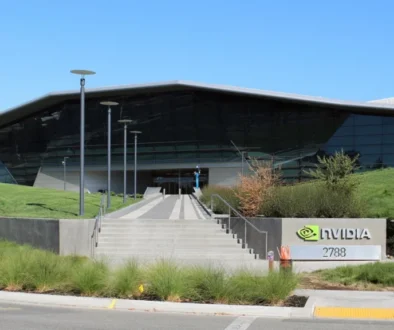
Nvidia shares fall 12% as SEC inquiry and leadership turmoil extend losing streak
Nvidia shares fell 12% on Friday, capping the longest weekly losing streak for the chipmaker since the 2008 financial crisis. The slide reflects both leadership turmoil following co-founder Jensen Huang’s resignation and a reported Securities and Exchange Commission inquiry into the company’s accounting.
- Nvidia shares dropped 12% on Friday, sliding for a seventh straight day as investors grew increasingly concerned about life after co-founder Jensen Huang. The stock is poised to close lower for a seventh consecutive week, the longest such stretch since 2008.
- The stock is down 44% over the seven-week stretch, wiping out roughly $2.5 trillion in market value.
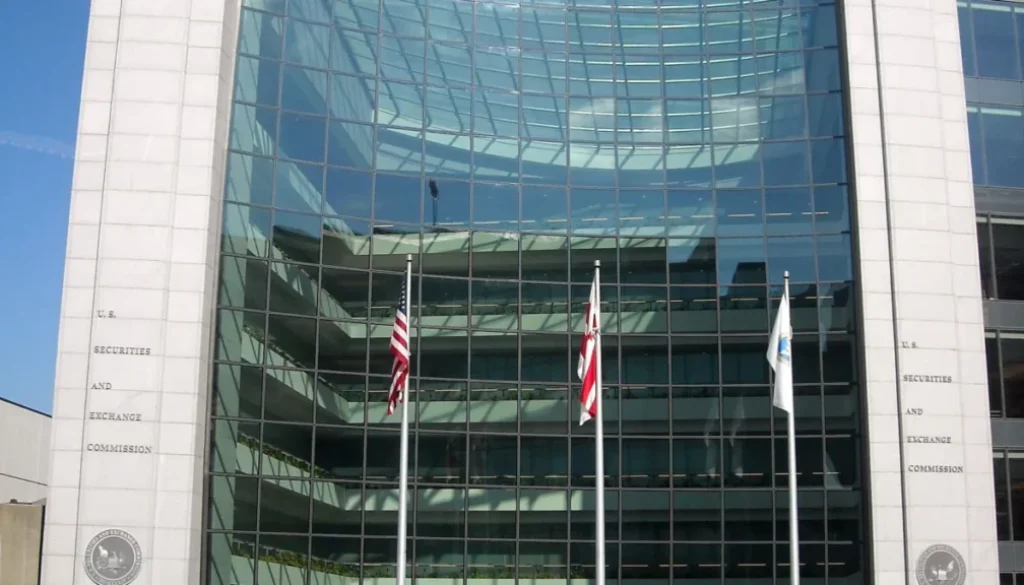
- Reuters reported the SEC is examining potential accounting issues at Nvidia, adding to Friday’s selloff.
- 44% Nvidia’s share price decline over its seven-week losing streak
- $2.5T market capitalization erased since the slide began
- 9.3x Nvidia’s forward earnings multiple versus AMD’s 29x
- $3.1T current market cap, down from the top spot to fourth
Nvidia’s stock has not fallen this long or this deep into a weekly losing streak since the global financial crisis of 2008, according to CNBC reported on Friday. The chipmaker’s market capitalization has dropped to $3.1 trillion, pushing it behind Apple, Microsoft and Alphabet after Nvidia had briefly held the title of the world’s most valuable company.
Back in 2008, Nvidia’s main product was the GeForce graphics card for PC gaming. The company generated less than $1 billion per quarter at the time, a fraction of the more than $1 billion it now brings in daily.
SEC scrutiny deepens Friday’s 12% drop
Friday’s 12% decline accelerated after Reuters reported that the SEC is looking into potential accounting issues at Nvidia, a development CNBC said pushed the stock down further during the session. Nvidia’s valuation has compressed sharply as a result of the broader slide, with shares now trading at about 9.3 times forward earnings compared with Advanced Micro Devices at 29 times projected profit for the next 12 months.
The gap marks a reversal for a stock that commanded a premium multiple throughout the AI buildout that began with OpenAI’s ChatGPT launch roughly four years ago. Nvidia’s business has since become almost entirely built around AI chip demand, a shift that leaves the company more exposed when investor confidence in that trade wavers.
Huang’s exit and a disclosed code-of-conduct breach
The losing streak began before the current crisis, as investors questioned the sustainability of AI spending following the midterm elections and watched competition emerge from Google and AMD. It intensified after co-founder Jensen Huang resigned on November 12 following reports of multiple affairs, including one involving a Chinese businesswoman alleged to have ties to espionage.
Harvey Jones, Nvidia’s newly appointed board chair, addressed the departure earlier in the week in a company statement.
disclosure of personal behavior inconsistent with the company’s code of conduct, standards and cultural norms
Harvey Jones, Nvidia board chair
Interim CEO Colette Kress, Nvidia’s longtime chief financial officer, has stepped in to steady investors. On the company’s earnings call Tuesday (November 17), she projected 75% revenue growth for the next fiscal year and told analysts customers “aren’t going anywhere,” closing the call by saying “we’ve got this.”
What investors are watching after a better-than-expected earnings report
Nvidia’s quarterly results, which included raised fiscal 2028 guidance, failed to stop the selling despite beating expectations. Executives told staff the next day, Wednesday (November 18), that the company is moving its annual compensation review, which can include additional stock grants, from March to December.
The central question for investors is whether Nvidia can keep its lead in AI chips without Huang, the executive widely credited with shaping that strategy. Kress and the board have signaled continuity, but the market reaction so far suggests skepticism remains.
The BlockWest read. The sharpest signal here is not the stock price but the multiple compression: a 9.3x forward earnings ratio next to AMD’s 29x tells allocators the market is pricing Nvidia closer to a cyclical hardware vendor than an AI growth franchise. For index-heavy portfolios and corporate treasuries holding Nvidia as an AI proxy, the SEC inquiry and leadership vacuum raise the bar for Kress’s next earnings print to restore that premium.
Nvidia has not set a date for naming a permanent CEO, leaving Kress’s interim leadership and the SEC’s accounting review as the two open questions investors will track into the company’s next quarterly report.
BlockWest is a news publication. Nothing here is investment advice. Read our disclaimer and editorial policy.