Binance closes Ukrainian hryvnia trading pair and fiat gateway on September 28.
Binance is cutting off a key link between Ukraine’s currency and its exchange just as the platform faces mounting regulatory pressure in Europe and a fresh sanctions probe in the United States. The delisting, first detailed by CryptoPotato, will hit one of Binance’s largest user bases at a sensitive moment for the exchange.
- Binance will close UAH deposits and withdrawals via Fiat Trade UAH after Monday, September 28.
- The USDT/UAH spot trading pair will be delisted the same day, with open orders automatically removed.
- Remaining UAH balances convert automatically to USDT by Wednesday, September 30, requiring no user action.
- Sep 28 deadline to close UAH deposits, withdrawals and the trading pair
- Sep 30 date Binance auto-converts leftover UAH balances into USDT
- $4.3B penalty Binance paid in 2023 over US money-laundering and sanctions violations
- $50M fine paid by former CEO Changpeng Zhao alongside a four-month sentence
Binance, the world’s largest cryptocurrency exchange by trading volume, announced it will shut down the Fiat Trade UAH gateway and delist the USDT/UAH spot pair after Monday, September 28, according to a company announcement. UAH is the ticker for the Ukrainian hryvnia. Any UAH balances users have not moved out will be converted automatically into USDT by Wednesday, September 30.
Ukrainian traders lose a direct fiat on-ramp
Binance’s notice instructed users to settle their positions ahead of the cutoff. “All open orders on the USDT/UAH Spot trading pair will be automatically removed after trading ceases. Users are advised to manage their UAH balances and open orders before the above deadlines,” the exchange said in its announcement.
The change removes one of the few direct channels linking Ukraine’s domestic banking system to crypto markets through Binance. Ukraine has been one of Binance’s strongest markets, with millions of users on the platform, and the exchange launched a dedicated WhatsApp channel for Ukrainian users earlier this year as part of a broader push into seven of its top markets. Losing the fiat gateway is likely to push some hryvnia-holding users toward alternative on- and off-ramps.
Greece rejected Binance’s MiCA license amid ECB pressure
The Ukraine delisting lands as Binance works through separate regulatory setbacks across the European Union. The bloc’s Markets in Crypto-Assets framework, known as MiCA, took full effect on July 1, requiring exchanges to hold a license in an EU member state to keep serving local customers. Binance applied through Greece but was rejected, and users across the bloc have since reported service disruptions.
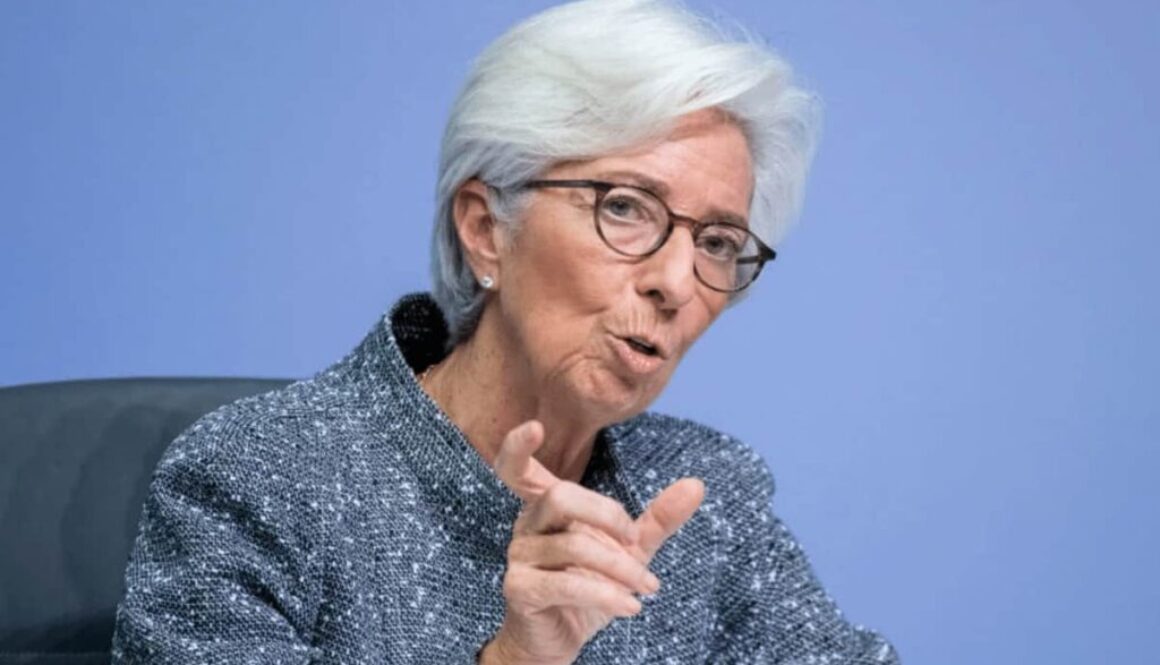
The Wall Street Journal reported earlier this month that European Central Bank President Christine Lagarde personally asked Greek Prime Minister Kyriakos Mitsotakis to block Binance’s license bid. The paper cited Binance’s 2023 guilty plea and concerns that admitting the exchange could push more users toward dollar-backed stablecoins while the ECB pursues its digital euro project.
A new US sanctions probe follows the 2023 settlement
Binance is also facing a fresh US investigation into whether it enabled trading tied to Iran, according to Bloomberg. That case echoes the exchange’s 2023 settlement, when it pleaded guilty and agreed to pay $4.3 billion to resolve US anti-money-laundering, sanctions and money-transmission violations, a sum far larger than typical crypto enforcement penalties of that era.
Former CEO Changpeng Zhao served four months in prison and paid a $50 million fine as part of that resolution. Donald Trump later granted Zhao a presidential pardon.
The BlockWest read. For Binance, the Ukraine wind-down looks less like a compliance footnote and more like a signal that the exchange is quietly de-risking fiat rails in jurisdictions with volatile currencies while its legal exposure in Brussels and Washington grows. Ukrainian users losing a bank-linked on-ramp will likely lean harder on stablecoins and peer-to-peer channels, the same dollar-denominated flows the ECB says it wants to limit.
Binance has not said whether it will pursue a renewed MiCA license application in another EU member state after Greece’s rejection, and the outcome of the US sanctions inquiry into alleged Iran-linked trading remains pending.