Riksbank urges lawmakers to authorize digital krona as stablecoins gain ground
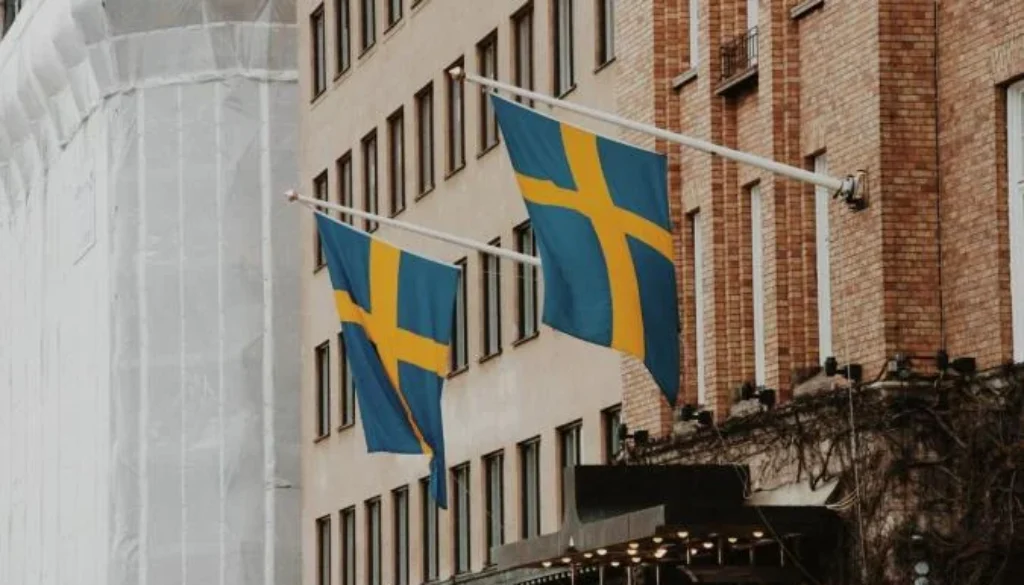
Sweden’s central bank is pushing lawmakers to authorize a digital krona as foreign stablecoins and the European Union’s planned digital euro threaten to marginalize the Swedish currency in payments. The Riksbank sees a homegrown e-krona as essential to maintaining monetary control and financial stability as cash use collapses.
- Sweden’s Riksbank warned that foreign-currency stablecoins could erode krona demand in a recent letter to lawmakers.
- Just 5% of Swedes surveyed used cash for their last purchase, marking a sharp decline in physical currency use.
- An e-krona would require at least five years of preparation work before lawmakers could even authorize issuance.
- 5% Of Swedes using cash for their most recent purchase versus historical levels
- 2029 Potential launch year for the digital euro if EU lawmakers approve the required rules
Sweden’s central bank is renewing its call for a digital currency as alternative payment systems gain traction across Europe. According to CoinDesk reporting, the Riksbank has warned lawmakers that without a usable digital form of the krona, the currency risks losing ground to stablecoins denominated in foreign currencies and to the digital euro that the European Central Bank is developing. A 2023 government inquiry concluded there was insufficient demand for an e-krona, but the central bank now argues that rapid shifts in payment behavior and emerging security threats justify reconsideration.
Deputy governor warns that kronor must compete in digital form
Per Jansson, deputy governor of the Riksbank, told Reuters that the central bank views digital payment infrastructure as decisive for the krona’s future. “If our cash becomes digital and Swedish kronor are not available in a usable digital form, then the krona may not be able to compete with other, more convenient digital payment instruments that can easily be used across borders,” Jansson said.
If our cash becomes digital and Swedish kronor are not available in a usable digital form, then the krona may not be able to compete with other, more convenient digital payment instruments that can easily be used across borders.
Per Jansson, deputy governor, Riksbank
The warning reflects a broader concern among Nordic and European policymakers about currency substitution as digital assets proliferate. Cash use has collapsed in Sweden, making the vulnerability acute. The Riksbank contends that a shift away from the krona would impair its ability to conduct monetary policy and manage financial stability during crises. An e-krona could also serve as a backup payment channel during power or telecommunications outages, with offline transaction capability among its potential features.
Riksbank asks for five-year preparation period to begin now
The central bank has not yet taken a formal position on whether to issue an e-krona but is urging lawmakers to begin legislative groundwork immediately. The Riksbank warned in a letter to the Committee on Finance that stablecoins tied to foreign currencies could reduce krona demand, though it characterized the near-term risk as limited. The long-term threat, however, remains material.
The entire implementation process would require at least five years from the start of preparation to any launch.
Sweden could leverage the digital euro’s technical infrastructure to accelerate its own e-krona development. According to the ECB’s digital euro progress documentation, the digital euro could launch in 2029 if EU lawmakers approved the required rules. The ECB has already selected platform providers and finalized a draft rulebook setting common standards for the currency across the euro area, and over 70 banks, universities, fintechs and payment providers have participated in testing conditional payments and exploring use cases in sectors including mobility and e-commerce.
The BlockWest read. Sweden’s timing problem is acute: it cannot launch an e-krona before the digital euro potentially arrives in 2029, yet without moving now it cedes payment infrastructure leadership to the ECB and risks losing monetary autonomy. The Riksbank is signaling that Sweden must choose between leading its own digital currency project or accepting subordination to eurozone infrastructure despite remaining outside the euro itself.
Riksbank officials and Swedish lawmakers must decide whether to initiate formal legislative preparation for an e-krona before the digital euro’s expected 2029 debut. Any delay risks making a standalone Swedish digital currency redundant if euro-area digital payment infrastructure becomes the continental standard and Swedish consumers adopt it by default.
BlockWest is a news publication. Nothing here is investment advice. Read our disclaimer and editorial policy.