Senate Democrats urge SEC to withdraw crypto rule and tokenized securities exemptions
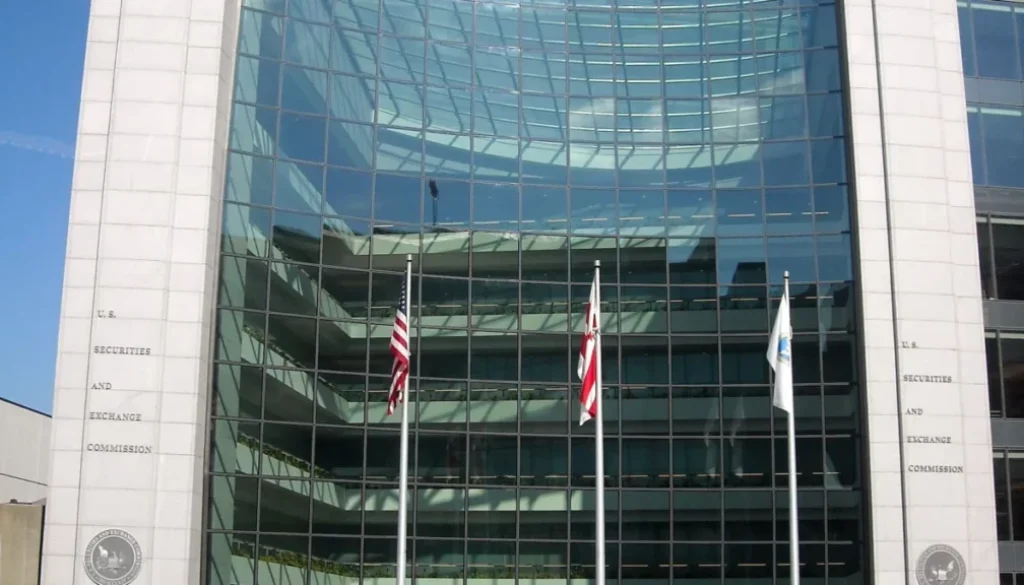
Four Senate Democrats called on the Securities and Exchange Commission Wednesday to withdraw a proposed rule governing crypto assets and an existing order exempting tokenized securities venues from federal securities laws, arguing both would weaken investor protections and create regulatory loopholes. The letters target two separate SEC actions taken under Chair Paul Atkins.
- Warren, Van Hollen, and Smith call for rescission of proposed “Regulation Crypto Assets” rule.
- Van Hollen, Warren, Smith, and Reed urge withdrawal of September 2026 order granting exemptions to tokenized securities venues.
- The letters allege the SEC lacked statutory authority and bypassed required notice-and-comment rulemaking.
U.S. Senator Elizabeth Warren of Massachusetts, Ranking Member of the Senate Committee on Banking, Housing, and Urban Affairs, led two letters to SEC Chair Paul Atkins on Wednesday, Nov. 25, 2026, joined by Senators Chris Van Hollen of Maryland, Tina Smith of Minnesota, and in the second letter, Jack Reed of Rhode Island. The first letter, led by Warren, targets the SEC’s proposed “Regulation Crypto Assets” rule. The second, led by Van Hollen, challenges a September 2026 order that granted exemptions from federal securities laws to Tokenized Securities Venues (TSVs) and certain liquidity providers.
The Warren-led group argued that the crypto assets rule would “allow crypto companies to evade longstanding securities laws, weaken state oversight, and expose investors to fraud and scams.” The senators stated that “the proposal would create a new ‘tailored securities offering regime’ for certain investment contracts involving crypto assets” but that “the proposal only serves to help crypto assets escape from the SEC’s regulatory regime and gives them special treatment, with less oversight, compared to other traditional securities.”
The letter identified four specific objections to the rule. First, the senators said it “invites opportunities for crypto fraud and investor harm with massive exemptions that permit crypto asset offerings with no SEC review, no financial statements in some cases, and scarce disclosure.” Second, it “prevents states from enforcing their own laws with respect to the registration of crypto assets that use the proposal’s loopholes.” Third, the senators contended it “exceeds the SEC’s statutory authority and front-runs legislative efforts to develop a regulatory framework for crypto assets.” Fourth, it “undermines decades-old Supreme Court precedent that provides the basis for determining SEC jurisdiction.”
Tokenized securities order issued without public comment process
The Van Hollen-led letter took aim at the SEC’s September 2026 order exempting TSVs and certain liquidity providers from longstanding market safeguards. The senators warned that the order would allow “platforms trading tokenized stocks to operate outside longstanding market safeguards, including requirements designed to ensure fair pricing, market transparency, and protections against manipulation.”
The senators raised national security concerns, stating the exemptions “could facilitate illicit financial activity and create new risks for investors and publicly traded companies.” The letter added that “the order would allow TSV platforms to operate a shadow stock market outside longstanding regulatory protections designed to ensure fair and transparent markets, impose new burdens on publicly traded companies seeking to protect their shareholders, and create unnecessary risks of illicit financial activity.”
While technological innovation can strengthen our capital markets, it should not come at the expense of investor protection, market integrity, or national security.
Senate Democrats in Van Hollen-led letter to SEC Chair Atkins
A core procedural complaint in both letters centers on the SEC’s authority and process. The senators asserted that the SEC lacked statutory authority to issue the September 2026 tokenized securities order and that it did so “without a public notice-and-comment process,” a standard rulemaking requirement under the Administrative Procedure Act.
Different regulatory paths for crypto and tokenized assets reflect shifting SEC stance
The two letters target distinct but related SEC efforts under Atkins, who took the helm in 2025. The proposed “Regulation Crypto Assets” rule would create a new category for crypto offerings, while the September 2026 order directly exempted existing platforms from existing rules. Together, they represent a material shift in SEC approach toward digital assets compared to prior administrations.
The rule-making effort follows a period in which the SEC under former Chair Gary Gensler pursued enforcement against crypto platforms rather than creating tailored regulatory pathways. Under Atkins, the agency has moved toward accommodation through both rulemaking and exemptive relief. The Warren and Van Hollen letters argue this pivot grants preferential treatment unavailable to traditional securities markets and operates outside established legislative authority.
The BlockWest read. These letters matter because they signal Democratic opposition will persist in any SEC effort to carve out digital asset exemptions, even with a Republican-led SEC. If Democrats retain Banking Committee leverage in the next Congress, rescission or amendment becomes possible through appropriations riders or hearings. The fact that four Senate Democrats filed separately on two related actions suggests coordination on a broader strategy to block Atkins-era crypto accommodation, not just this rule, but the precedent it sets.
The SEC has not yet finalized the “Regulation Crypto Assets” rule; a public comment period would trigger the next concrete event. The September 2026 tokenized securities order is already in effect. Watch for SEC response to these letters and any timeline announcement for rule finalization or withdrawal. The composition of the next Senate Banking Committee will determine whether these demands gain procedural leverage through committee votes or hearings.
BlockWest is a news publication. Nothing here is investment advice. Read our disclaimer and editorial policy.