Trump waives Russian energy tariffs scheduled to take effect today
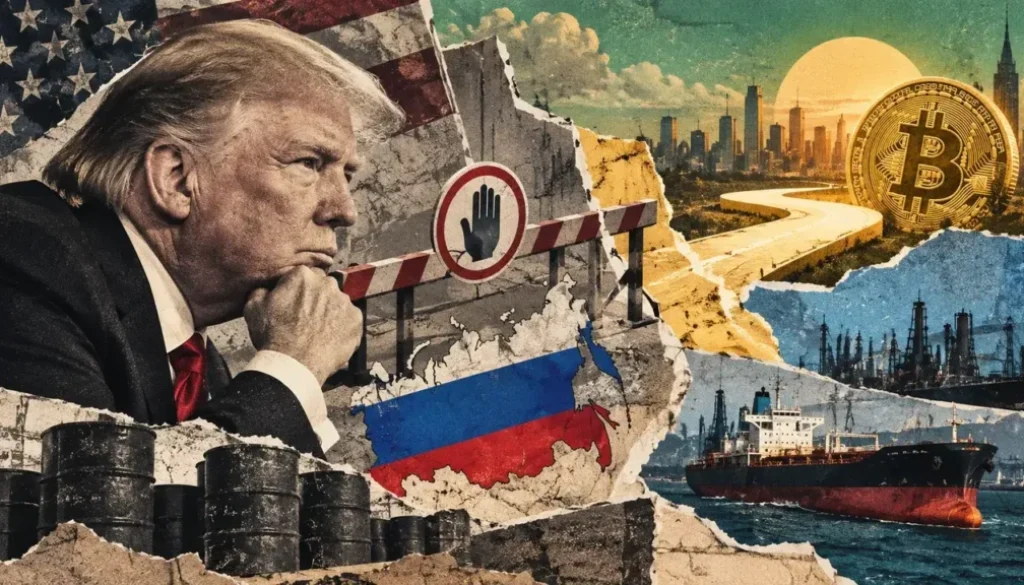
President Trump has waived tariffs tied to Russian energy purchases scheduled to take effect today, removing a potential inflation shock that could have tightened financial conditions for cryptocurrency markets. The move exercises presidential authority under the Lindsey O. Graham Sanctioning Russia and Iran Act of 2026, leaving future policy shifts as the key variable for asset prices.
- Trump waived duties on Russian goods and energy importers, keeping tariffs from applying as October 18 deadline arrives
- New duties would have reached 500% on Russian goods and 100% on top five energy importers making new purchases
- Waivers carry no fixed expiry, remaining in effect until president or secretary of state determines further action warranted
- 500% Tariff rate on Russian goods under the Graham Act before waiver
- 100% Duty on largest five Russian oil and gas importers making new purchases
- Oct 18 Implementation date for tariffs on new Russian energy purchases
- Oct 16 Date Graham Act implemented by Trump
President Trump exercised broad waiver authority on October 16, suspending tariff measures tied to Russian energy purchases that were set to activate today, Sunday (October 18). The executive order implementing the Lindsey O. Graham Sanctioning Russia and Iran Act of 2026 specified duties of 500 percent on Russian goods and 100 percent on goods from two country groups: the five largest importers of Russian crude oil and natural gas that knowingly make new purchases on or after October 18, and the top five nations facilitating Russian oil sanctions evasion. Trump waived all such duties, leaving the tariffs inoperative while preserving the mechanism for future enforcement. CryptoSlate reported that the move addresses a potential inflation and financing-cost risk for Bitcoin by removing an additional tariff and energy-inflation shock.
Waivers with no fixed expiry leave policy at president’s discretion
The waivers contain no automatic sunset date. According to the order, the exemptions remain in effect until the president or secretary of state, in consultation with the Treasury secretary and US trade representative, determine that further action is appropriate. This structure gives Trump unilateral power to reinstate the tariffs without further congressional action, making waiver decisions the key policy trigger for markets watching inflation and financing conditions.
The order preserves existing sanctions against Russia under executive orders addressing harmful foreign activities of the Russian government, as those measures stood before the Graham Act’s enactment on October 16. The Trade Representative, in consultation with the Secretary of State, Secretary of the Treasury, Secretary of Energy, and other officials, must monitor Russian energy purchases and sanctions-evasion facilitation and report regularly to the president on circumstances that might warrant action on the waivers.
Energy costs and rate expectations among factors tightening financial conditions
Waiving tariffs that would have raised energy prices could ease one source of inflation pressure and reduce the case for further interest-rate increases.
Federal Reserve Governor Christopher Waller cited elevated energy costs and threatened new tariffs among persistent inflation pressures in an October 8 speech, anticipating further rate increases if incoming data continued as expected. Waller’s remarks preceded Trump’s waiver by eight days and illustrated the constraint under which policymakers operate. Tighter financing conditions reduce demand for risk assets including cryptocurrencies by raising the cost of capital and shifting investor preference toward safe yields. Research in Bank for International Settlements Working Paper 1219 shows that US monetary-policy tightening weakened crypto prices and reduced stablecoin market capitalization, while prime money market fund assets rose, establishing an empirical channel from policy tightness into reduced crypto demand.
By removing one potential source of inflation surprise, the waiver could ease pressure on the Fed to raise rates further, supporting financial conditions for risk assets.
The BlockWest read. We note that the waiver’s lack of expiry converts a binary implementation test into an ongoing discretionary tool, meaning traders must now price not just the current tariff regime but the political conditions under which Trump would reverse course. The order names no countries in either tariff group and delegates monitoring authority to multiple agencies, leaving unclear which nations face actual tariff risk and how Trump will interpret their conduct.
The Trump administration’s next move on the waivers depends on Trade Representative monitoring reports on Russian energy purchases and sanctions-evasion activity. Watch whether the administration reinstates tariffs before year-end if those reports flag significant new Russian energy imports, and how any such action flows through energy markets and inflation expectations into Fed rate guidance and cryptocurrency valuations.
BlockWest is a news publication. Nothing here is investment advice. Read our disclaimer and editorial policy.