Ripple tokenizes Brazilian investment fund and real estate records on XRP Ledger
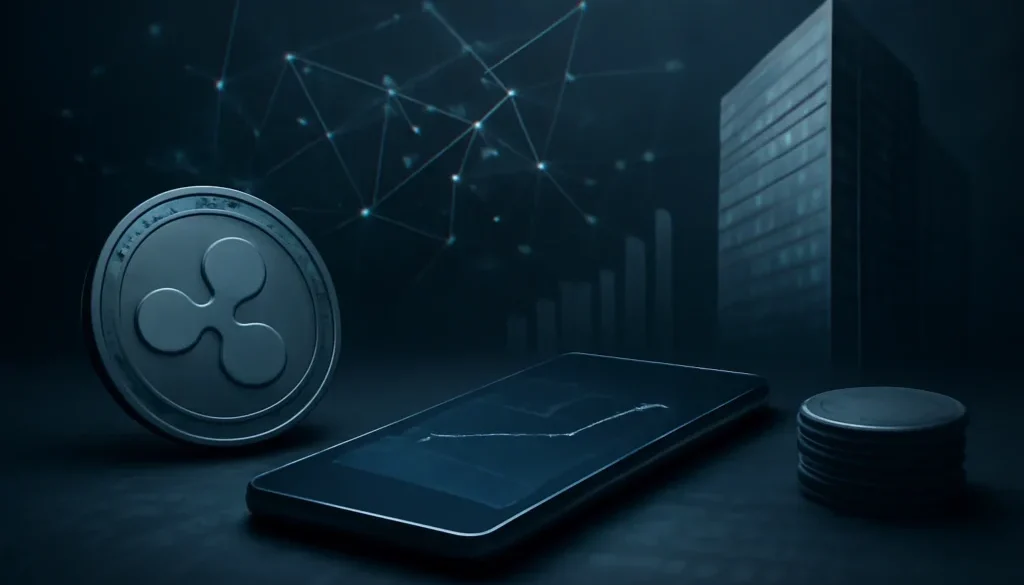
Ripple has confirmed it tokenized a Brazilian investment fund and associated real estate records on the XRP Ledger, extending the payments firm’s push into real-world-asset tokenization beyond its existing institutional custody business. The move signals growing interest from major blockchain infrastructure providers in Latin America’s property and fund markets, a region where regulators have already experimented with tokenized settlement.
- Ripple confirmed the tokenization of a Brazilian investment fund and real estate records on Wednesday, September 30, 2026.
- The assets were issued directly on the XRP Ledger, which has operated since 2012.
- Ripple has not named the fund manager, custodian, or property registry involved, leaving key operational details unconfirmed.
- Sep 30, 2026 date Ripple confirmed the Brazil tokenization move publicly
- 2012 year the XRP Ledger launched, the chain hosting the new tokens
According to NewsBTC reporting, Ripple confirmed on Wednesday, September 30, 2026 that it had placed records tied to a Brazilian investment fund and related real estate holdings directly onto the XRP Ledger. The announcement was also covered by crypto.news, which reported the same core development. Neither outlet’s coverage names the specific fund, its manager, or the property registry whose records were digitized.
Ripple confirms tokenization of Brazilian fund and property records
The confirmation places Ripple among a growing list of blockchain infrastructure firms moving fund units and property titles onto public ledgers, work typically described in the industry as real-world-asset, or RWA, tokenization. Ripple has built this business line for several years, most notably through its 2023 acquisition of the Swiss custody firm Metaco, which it has used to service banks and asset managers handling tokenized instruments.
Brazil has been an active testing ground for this kind of work. The country’s central bank has run pilot programs exploring tokenized settlement rails, and its securities regulator, the Comissão de Valores Mobiliários, has permitted controlled experiments with digital representations of traditional financial assets. Ripple’s latest move fits that pattern, though the company has not disclosed whether the tokenized fund and real estate records were issued through a regulatory sandbox or a direct commercial arrangement.
XRP Ledger’s role in the Brazil tokenization push
The XRP Ledger, which has operated since 2012, is built to settle transactions in three to five seconds at low cost, features Ripple has marketed as advantages for tokenizing illiquid assets such as fund shares and property titles. The ledger supports native tokenization functions, including the issuance of custom tokens and an on-chain decentralized exchange, which Ripple has positioned as infrastructure for institutional clients rather than retail speculation.
Neither NewsBTC nor crypto.news detailed the technical structure used for the Brazilian issuance. It is not clear whether the fund units and real estate records were tokenized as fungible tokens, non-fungible representations, or hybrid instruments tied to off-chain legal agreements.
What remains unconfirmed about the Brazil deal
The reporting does not identify the counterparties behind the transaction. No fund manager, custodian, law firm, or property registry is named in either account of the announcement.
That gap matters for how the market should read the news. Tokenization announcements in real estate and fund administration typically involve multiple regulated parties, including a licensed asset manager, a custodian bank, and in many jurisdictions a notary or registry office that must recognize the tokenized record as legally binding. Until Ripple or a named partner discloses those roles, the scope and legal enforceability of the Brazilian tokenization cannot be independently verified.
The BlockWest read. For allocators watching Ripple’s custody and tokenization arm, the missing partner names matter more than the headline. A fund or property record tokenized without a disclosed custodian, registry, or regulatory sandbox reference is a pilot, not a product. Institutions weighing exposure to Ripple’s RWA infrastructure should watch for a named counterparty and legal framework before treating this as evidence of scalable Latin American demand.
Ripple has not set a date for further disclosure, and it remains unclear whether the Brazilian fund and property tokenization will be expanded, named, or subjected to regulatory sign-off from the Comissão de Valores Mobiliários. Readers should watch for a follow-up statement from Ripple or its Brazilian counterparties identifying the fund, custodian, and registry involved.
BlockWest is a news publication. Nothing here is investment advice. Read our disclaimer and editorial policy.