
ParaSwap surpasses $100 billion in volume with intent-based DeFi
In this episode
Ashton Addison interviews Mounir Benchemled, Founder of ParaSwap, one of the leading DeFi aggregators in the space. Mounir shares ParaSwap’s journey from its 2019 beginnings to surpassing $100 billion in volume, diving deep into intent-based DeFi, cross-chain interoperability, MEV protection, and their recently launched Project Miró token and staking system. If you're curious about how ParaSwap delivers optimal execution across chains, their roadmap for the future, and why intent-based architecture is reshaping decentralized trading, this is a must-watch. Tune in to get expert insights from one of the pioneers of DeFi infrastructure.
- ParaSwap has surpassed $100 billion in trading volume since its 2019 launch by aggregating DEX liquidity across chains.
- Intent-based DeFi allows users to specify desired outcomes rather than transaction instructions, improving user experience and reducing complexity.
- Retail traders increasingly migrate to Layer 2 solutions due to lower gas costs, while whales remain on Ethereum for deeper liquidity.
- Cross-chain intent-based swaps represent the evolution beyond bridges, abstracting blockchain complexity from end users.
- EVM chains require minimal changes for ParaSwap deployment, while non-EVM chains like Solana require complete smart contract rebuilds.
Chapters
Transcript
Read the full transcript
I'm ashon Addison from the cryptocoin show and today on blockchain interviews we have Monir benam Leed founder of Paras swap here to talk about decentralized Finance cross chain uh the growth of Defi and Dows as well and uh the interesting updates that's coming for Defi and and Paris swap in the near future mun thank you for taking the time hey ason thanks for having me very
welcome excited to dive into uh your insights into defi you're deep in it I would love to start off with a little bit on what you and your team have built at Paras swap how it relates to Defi and adds value and then we can dive into all those latest topics yeah sure so Paras Journey started in 2019 uh it's been uh almost uh six years so started in Lane 2019 so
five years and few months uh it's been a while uh so what we built we're known for as being a DEX aggregator uh since that time so basically it's a tool or a middleware that allows their users whether those are end users or other daps and wallets to access the defi Dex market and we provide the best possible prices by running some fancy algorithms that will grab data in real time and
like a crun ship and all the senses and try to provide the best possible price so that's the value add to the end user I would use parasa because it cannot provide me the best possible rates on the market and uh so far we have surpassed hundred billion dollar in in volume most of it was done since late 2021 wow that's incredible and of course if you're if you're trading in
decentralized uh exchanges there's so many different options and how do you know you know how to get the best rate so like finding an aggregator that can search the different platforms and make that trade for you without having to do hours of research is obviously incredible valuable so um I can see why you guys have passed 100 billion in volume uh that's incredible uh is there
a specific region where a lot of this volume is being attributed to in different blockchains and different aggregators well it's being Global so far uh I always like to say the region we're targeting is the defi native users uh which got much bigger it used to be maybe a few hundred of few the people when we started and now we're talking about tens of maybe hundreds of
thousands of users uh so there's no specific region that we're targeting per se uh there are some ideas uh that we get here and there like we should maybe focus on the Asian market on that on that market uh to address their users with their local language that may be something that we may do at some points but yeah we are Global and uh we try to add value to whoever needs to use us as
I said whether it can be end user or or wallets or DBS in protocols definitely as it should be with decentralized exchanges Going Global lowering the barriers to entry for anybody to swap or trade digital assets so um congrats again on that volume and I was reading through uh the details on Paras swap when I was trying it out and he was talking about intent-based defi I
haven't heard of that before uh I know I just know defi decentralized Finance what is this intent-based and and how does that value well uh intent is like like the literal language you uh instead of giving a protocol uh instructions on how it should behave on chain what you're providing is only your intent like I want to swap token a for B and give me
the best possible price and execute at the best possible conditions that's all I need to know as a user I don't care if it's going to use Unis swap balancer curve you name it I just wanted to provide me the best possible price and that's in a very nutshell intense where you provide the outputs I want to sell my e at $2,000 when when it reach back $2,000 and that's all I need to know I
don't care how it's GNA happen I just said a condition like if the transaction doesn't return $2,000 it's gonna fail and that's a guarantee I have using smart contracts and that's all but with aggregators you have a request and then you get the response the aggregator tells you I'm going to split this trade across this this and that deck I'm going to use that token as an intermediary a
lot of things that normally users don't care about and that's I think uh the evolution of aggregators is using intense yeah I like that approach it sort of reminds me of having that Amazon experience if you want it to onboard and then the blockchain needs to sort of be in the background of you know what's the technology I just want to sell this for this price and I don't
want to have to go through five screens of choosing the decks choosing the the slippage versus the cost and all of this just give me the best rate and the technology in the background will will do all the work I feel like that's what we need for adoption to go to new people that that they don't want to look at all this stuff they just want to sell and
get the get the next asset that they're looking for 100% sry so with the Paras swap you mentioned that there's different aggregators and that also goes to different blockchains and of course there's ethereum ecosystem which is sort of where Dex is started and then there's all the evm chains but then there's other blockchains as well what are the limits in which assets and
which blockchains you can swap between yeah so we focused only on evm chains for now the simple reason well the first one because because of historical reasons as evm chains were the only ones that had traction over time which changed with salana and we see also other chains like apto sui uh getting some momentum the limitation is it's a very different stack on a
technical point of view for instance if we are in ethereum we deploy etherium in want to scale to base it's just a copy paste or a redeployment of the exactly the same contract with some very minor changes like how we calculate gas and all of those things but it is you can say pretty much the same thing but scaling to salana it's literally rebuilding from scratch the whole smart
contract system and this goes as well for any non evm chain there are some chains who kind of are closer to to ethereum and there are also some chains who are more or less close to each other like the move base change like a SOI and all of that so you maybe if you build for SOI you May easily more or less be able to scale to to abos and maybe to with a lesser effort to with between
salana and mo move chains because they're using language based on Rust but for ethereum it's it's another story definitely and what have you seen any Trends with all the evm chains and the layer 2s uh they each have slightly different transaction costs normally better than ethereum um but with the amount of 100 billion volume do you still see a predominantly on ethereum or
has there really been a transition of people trading a lot on the layer twos to save those extra transaction costs and make it faster well see the last few weeks maybe two three months uh between the gas cost between ethereum and in some l2s is a bit tiny because now you can still make a ethereum maina transactions at I don't know like 10 cents 20 cents
uh which used to cost at some point I remember some Traders were paying like ,000 $2,000 just for one transaction but there are two categories of Traders there are you have the whales who are trading multi-million dollars worth of assets and you have the retail users who are doing anything between $10 and $1,000 and these guys are gas sensitive because it can represent the big
percentage of the amount they are trading so we see more and more retail moving to base now now and the the wells are still used in ethereum thing is in ethereum we still have the deepest liquidity if you're trading I don't know 20 million worth of e um chances are you would prefer using ethereum than using L2 definitely it's a great Point what do you think about the
fragmented liquidity in decentralized Finance on different chains is there some Evolution that will happen throughout blockchain that can help aggregate liquidity lower the slipage and lower the cost for everybody yeah I think well that's also the the project mural of baras swap is the evolution to cross chain and there are a lot of attempt there has been a
lot of attempt since I don't know think 2018 I think on building cross Chain Solutions starting with the bridges that are most of the time not really secure uh obviously with some exceptions uh the biggest hacks we had so far were in in bridges and now the evolution was is to use intent intent based cross chain swaps um the most known I think these days who are using intent is across uh
but parasoft also is making the step forward on allowing users to swap tokens from one chain to the other and um the goal the end goal or the end game is to completely abstract the chain because as you were saying the Amazon experience where you don't care maybe now about which text is being used but why should you care which chain are you in maybe you have
usdc uh does it really matter for the end user which chain is this usdt sitting especially that now we have like I don't know like a 100 chains and maybe in the future we're talking about maybe thousands of chains uh this is not going to scale in terms of user adoption so I think abstracting the chain itself in in the first place will be the end game
having protocols like bar Swap and now going to be named Vora um helping on abstracting fully this underlying layer that speaks only to developers to engineers and not necessarily to end users very interesting and yeah as a more experienced defi user it is a pain when you have this new chains every day and you have even and then it's multiple
steps it's not an Amazon experience at all to move that stable coin to a new chain to want to get some ether or trade to any asset so if you can expedite that that would be great so you said that's under project Miro is that this is a new Venture and what's the stage of this cross chain swapping where is everything at with that yeah so there was an initiative
that started in late uh 2024 last year uh it's code name the project mirro where it takes Paras in a new category because we were known as a DEX aggregator and we think that's okay but as I said in the beginning intent are the future uh especially in terms of adoption and uh chain abstraction as well like removing the complexity on this on the like swap layer but also on
the chain on the Chain layer so that's an idea that emerged in in Q4 and project murro was a translation of all these ideas on how to completely Rebrand par up and redef redefine the the the foundations of the of the protocol and the idea is that you will be as a user able to swap token a for B regardless of where is token a and where is token B obviously we're going to start in few
steps so the initial the very initial launch will be a swap and Bridge and that's a very first step that will at least solve the very problem that users have is I want just my asset to be on the other chain so they can make it in one single transaction without having to worry on how it's going to be done and also with without having to worry about me attacks and sandwich attacks and like
best execution uh basically yeah now I was curious about the attacks or vectors of risk with decentralized trading you know it's not something that H can happen when you're on a major exchange centralized exchange where I've seen stories of people they had they had a thousand they swapped but then something happened with the contract code or something interfered
and all of a sudden they've lost 20% when they were only supposed to lose you know .1% so can you talk about those potential risks with Dex trading and also how that is mitigated with the platform well anything that run some code which which as good says bugs so bugs can happen uh we try to of course mitigate that through good coding practices and good uh architecture and
of course audits but but nothing can like guarantee that the code is going to be correct 100% oh no matter how much how many measures we can we can put we also have in in in our latest smart contract for swap the aggregator we have done formal verification as well uh so those are like uh best efforts we can we can make in order to minimize the chances of getting exploited uh but it's
not guaranteed like just like I disclaimer to end users there's no code that's secure or safe 100% uh but having said that uh the systems based on intent or intent Centric uh trading protocols uh have what we we call auctions I mean that's like like any normal auction uh which means like when I submit an intent or like sign an intent uh what happens
behind the scene there is an auction so it's a competition it's a race between multiple what we call agents other call solvers that try to bid on that auction and provide the best possible price so for instance let's say as a user I used a buggy UI or like I made a mistake and I set my sleep sance very very high like 20% as you said uh if I use an aggregator and if I use just a normal
wallet without any protection there are some uh front running Bots uh or even what you call gener generalized uh me Searchers who are doing that just for profit like they're not attacking users per se but they have some statistical models that will spot an opportunity and front run it right away and they will eat your 20% uh for them it's their profits but when you use intent first of
all there's a competition so even if uh you set a high slippage tolerance the ones who beat they are trying to outbeat each other and when they outbeat each other they will tighten the slippage until it tends to zero it's never going to be zero of course because they will still maybe executing on the market but also the way they execute they use a private RPC endpoint so instead of
sending it directly to the public chain like the public pool that's visible by everyone they use uh it's like a private chain not a chain but it's like a private Channel or a communication Channel between them and the builders um they also we can get into the details of that but basically the transaction is not visible publicly so those attackers don't get to see the transaction in the
first place in order to attack it so that those are two layers of protection for the end users that make intent based protocols much safer in that sense wow very interesting I didn't know that you could do different channels to send the transaction to to to verify it on the Chain I thought it was just a big memory pool and if people pay a higher transaction fee and they can bump up get
their transaction done faster but then there's Ai and Bots that can see everything that's loading and in insecure platforms not like Paras swap it's possible to it you know pay a higher fee and mess with the slippage and then all of a sudden you've lost a lot more than you think I feel like I hope that that's something that will be a thing of the past in decentralized
finance uh as we continue to grow and probably bring more of this intent-based defi yeah yeah very interesting and one other topic I wanted to talk about was the Paras swap da and just the state of dows and decentralized autonomous organizations and Community involvement in the growth of decentralized platforms I know that there is a dow can you talk
about how that helps shape the platform the value that a dow brings to decentralized finance and and anything else that could provide value in that aspect yeah s evolved a lot uh since late 2021 when we launched the PowerUp token and the da and all of that uh since the last few months we have built a professional system so we're trying to make the da as professional as possible
so we have a delegate system and delegates are public either individuals or entities who are specialized in in like governance so they already have experience have seen a lot during the last couple of years and they have other stakeholders who are like basically Paras swap token holders or stakers who delegates their tokens to them and they vote in a transparent way
like each time there is a proposal uh there will be some discussion some debate sometimes Community calls and the delegates have this I would say uh neutral SL professional ey I uh on every proposal so they will try to challenge it in a rational way at least uh as much as as they can and you can see the recent proposals there lot of debates a lot of back and forth and lot of I would
say challenges sometimes in some controversial ones and uh delegates they always have to iterate on like uh how should we approach that what are the risk parameters how can this help Paras grow and attract more users and also you can see them as ambassadors of the brand because they are working at the end for the par protocol they are paid by the parasoft Dow so I would say I like a lot
the way the DA has evolved and the value that has created to to the protocol and also the example is given to other Dows so they if they have to start they would not be making the mistakes we have made in the past mhm yeah no delegate model I think that probably helps uh speed up the process a little bit with making decisions I'm curious on what you think in in general
of of dows and their efficiency uh and how it's progressing because there's no perfect way to run a da um but I think it's still you know it's very early stage compared to traditional organizations being around for hundreds of years um do you think some of the efficiency has been worked out is it is it as efficient as people are hoping at this stage of how Dows are maturing to
run a protocol it's a very good question I think D will never be as efficient as a company or like a foundation because the speed of the decision making is always slow and it's made by Design it's like uh I would say democracies versus like more dictatorship based countries where if you are in a like in in a country that doesn't need to have a democrac
Democrat process uh the heads of state can make decisions right away like they don't need to consult with anyone this can be like a double edge sword where you can have dictators with all the bad things we know we know about and they can be efficient but yeah you have no guarantee that this that the behavior will be in the favor of the people and here of course this is not a country uh
this is not this is a still a for-profit organization so maybe we can compare it to public companies uh rather than State nation state uh but still a public company needs to has to go through a lot of process and a lot of I would say compliance and and all of that uh unlike a private company uh so I would say in terms of velocity and decision making dos will often be
slower but thing is we are trying to find the best possible model because we're not public companies at the end there's no CEO there's no um I would say still no Central Central points of failures uh that's at least what we're trying to do um so I think the Del delegation systems are very promising and can provide this sweet spot between delegating to the right persons who have
very good context and they know exactly what what they're doing and not having a central company that can fail and can be also a a Honeypot or a central point of failure that if it fails the whole thing is gonna is gonna is going to fall yeah yeah I I think it it it's really hard to compare it to anything else uh and I believe it's getting more efficient over
the years here I I would highly recommend people at least join some Dows and try to contribute and and see how the process works uh because it can be very rewarding and you know if you become a delegate or even just participating you you know it's not just volunteer work you can still get reap the rewards of of contribution so um now you mentioned about the project Miro
which is awesome and cross chain which I think is super important and aggregating liquidity are those that's that's happening right now so what's the major road map uh timeline for the next few months in transitioning into more cross chain and and is there anything else up the sleeve of Paras swap as it evolves yeah now the biggest thing coming is the transition into velora the
new brand like parasoft becomes velora and launching the cross chain protocol that should happen maybe one this air this would be already announced and uh opening up the developer tools so others can integrate it like other protocols and DBS and wallets and the launch also of the new token so powerof token will also migrate into the velora token there
is a one to one ratio but also a whole revamp of the tokenomics uh it's all detailed in the in the project mirau and uh what I like to do is launch uh Dela which is like our intent like uh API or products to uh all possible chains we can right now it's available only on ethereum and base uh but still there is polygon Avalanche and other chains that we don't support also right now in in
like the aggregator side my goal is to like at least my hope is we can launch in all possible chains and have all those chains be able to talk to each other so users can swap from any chain to any any other chain without having to worry like as I said in the beginning uh where which chain they are that's like the dream uh but in the first place first step that I'm looking for that we
are looking for at the poft team is to uh launch Delta like the intent based trading in all possible chains this year MH very cool I'm looking forward to it and um I I'm liking the cross chain strategy I think it's super important uh because there's so much development going on different blockchains in the ethereum evm ecosystem um and you know there's still so many people that are
trading on a centralized exchange and they they keep hearing about Defi and they even though I think they think it's harder than it is um could you give an example of like if you just had say you were only trading on on coinbase and you have yet to dip your feet into a defi platform uh and you just have like ether to to stable coins you could potentially
go to Paras swap in like do this in minutes or seconds of like being able to not really have to learn anything yeah and even the wallet infrastructure is getting much better there are now even some wallets where all you need to do is a login password you don't even need to remember any seat phas and even yes recently I was I was switching more and more to using Rie
wallet instead of metam mask and it's amazing the onboarding experience where where you don't really need to like go into all this complexity of just setting up a wallet you just click click click click your wallet is is is ready to go um so I think defi is much much simpler than used to be and if you use powerof these days you don't need even need to
have gas in in in your wallet unlike before where we used to ask a lot from users actually when I created barasa the very very early version was a retail app that didn't have really aggregation it was just taking prices from all other dexes and provided the best possible exchange and and the the target users who are like retail like everyone user was using binance and coinbase and turns
out that it was a very bad idea it didn't work at all because well I noticed later that I was asking a lot you have to download the wallet install it secure it see the phrase blah gas many many complexities but now you don't need gas at all uh you can just create a wallet uh Rie for instance um and just use Paras swap you want to sell buy e with your usdc you just push a button
sign a message and you're good to go that's I would say the Simplicity we got to and I think next is that you don't even need to have a wallet maybe you can just log in with your password or log in for instance with your coinbase account they have this possibility with their SDK where you can directly swap from your coinbase accounts and buy whatever
token is available on chain wow very cool and what's the best way to follow along with the updates on the road map that you said and for people to get started and make some trades for those who haven't tried it yet I think everyone is welcome to visit par. XYZ uh and follow us on Twitter Paras swap uh and soon Paras swap is rebranded to Vora so it's going to be at
Vora app I think but yeah parap will be the the best entry point right now sounds great manir I appreciate apprciate your insights into defi uh where where it's heading the advancements we're making to make it the Amazon experience and bring more people into the decentralized world so they don't have to rely on third parties to trade their digital assets for them
that's the nature of crypto so um wishing you and the team all the best on Paras swap or Vora now um I'll be following along for those updates I'll leave a link to the socials and the trading platform as well in the show notes below uh all the best with everything and let's follow up in the near future thank you
More interviews
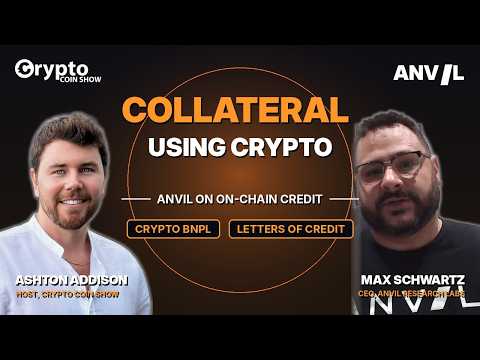 How Anvil lets you use crypto as collateral without sellingOct 6, 2026
 Pawel Mastalerz on how Daski helps AI agents navigate the webOct 6, 2026
 Why banks are building for Web3 in silenceOct 5, 2026
 How TrendTrader Pro raised $1M for a token buyback fundOct 2, 2026
 Illia Polosukhin on NEAR’s privacy features and AI agents in 2026Oct 1, 2026
 How Robinhood built its own blockchain to control compliance and feesSep 29, 2026