Federal Reserve Likely to Raise Interest Rates as Trump’s Economic Policies Face Scrutiny
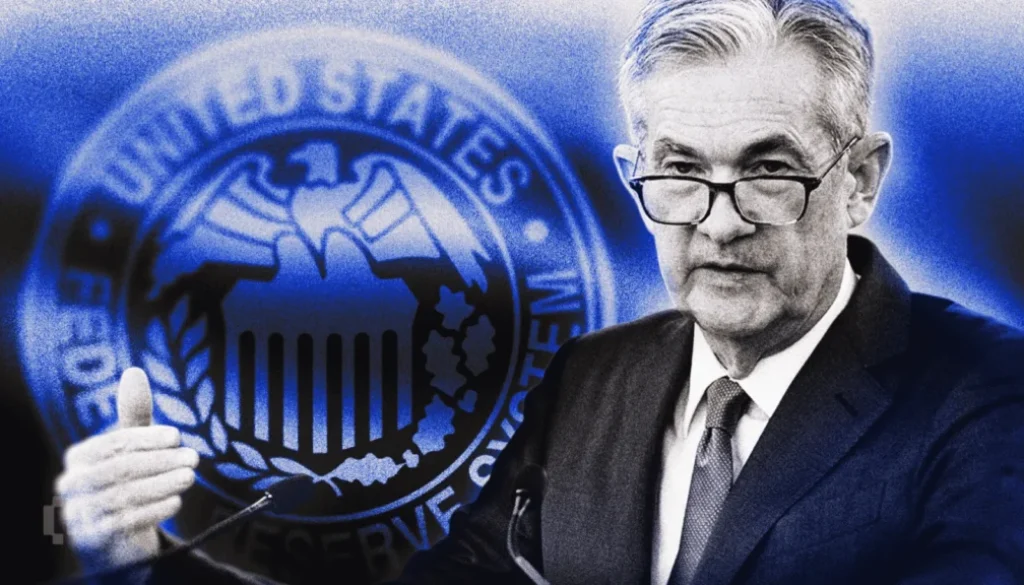
Fed Chair Kevin Warsh faces a critical rate decision Wednesday amid mounting inflation data that contradicts Trump’s campaign for lower borrowing costs. The outcome will test whether Trump’s preferred Fed leader will diverge from the rate-cut agenda that secured his appointment.
- Traders assign 86.9% probability to a Fed rate hike at next week’s meeting, defying Trump’s explicit pre-condition for cheaper money.
- Core inflation rose 0.3% in August versus economist expectations of 0.2%, providing ammunition for officials arguing rate increases are necessary.
- Warsh has held rates steady through two meetings since his May 22 swearing-in, after Powell cut three times in late 2025 before departing.
- 86.9% Probability of Fed rate hike next meeting according to CME FedWatch Tool
- 0.3% Monthly core inflation reading in August versus 0.2% consensus forecast
- 4.1% August unemployment rate, unchanged from prior month with rising participation
- 162,000 Jobs added in August, tepid labor market growth amid inflation concerns
President Trump spent months attacking Jerome Powell as a bottleneck to monetary easing, ultimately securing the departure of the previous Fed Chair and engineering the appointment of Kevin Warsh as his replacement. The strategy hinged on a straightforward premise: a Trump-friendly Fed leader would cut rates aggressively to stimulate the economy before the 2026 midterms. Powell did deliver three rate cuts in the final months of 2025, finishing on December 10. Warsh, who took office on May 22 after a spring campaign in which Trump called Powell tardy and overly cautious, has held rates steady through his first two meetings in June and July. The latest inflation data now threatens to demolish Trump’s rate-cut narrative entirely.
The political stakes reflect a fundamental tension in Federal Reserve governance. Presidents cannot legally direct monetary policy, yet the appointment power provides significant influence over long-term policy direction. Trump’s explicit linkage of Warsh’s nomination to an expectation of rate cuts represented an unusually transparent version of this dynamic. By publicly stating that lower rates were a condition for Warsh’s confirmation, Trump created a accountability mechanism that would make any rate increase appear to violate an implicit campaign promise.
CME fedWatch tool shows 86.9% probability of Rate increase
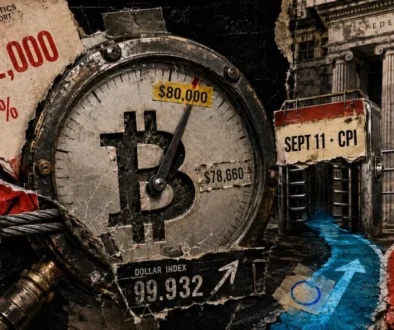
Market pricing on Friday placed near-certain odds on a Fed rate hike at the September meeting, contradicting the entire premise of Trump’s Fed Chair selection strategy. Analysts at the Kobeissi Letter framed the paradox bluntly: Trump had made rate cuts a precondition for his Fed Chair appointment, yet Warsh now faces mounting pressure to raise rates at his first major policy decision since assuming office.
The tension reflects a deeper bind for Warsh. No FOMC chair has cast a dissenting vote since 1939, meaning any rate move carries the weight of consensus backing. With three officials voting to raise rates at the July meeting, and inflation data now disappointing on the upside, the political calculus has shifted sharply against the low-rate environment Trump promised during his campaign. Warsh’s colleagues have signaled discomfort with the current rate level relative to inflation trends, creating institutional pressure that transcends Trump’s political preferences.
The broader economic backdrop adds complexity to Warsh’s decision. Financial conditions have tightened considerably since Powell’s final rate cut in December, with credit spreads widening and equity volatility rising in recent weeks. Some economists argue that the Fed’s effective tightening through market dynamics may already be restraining growth without an official rate increase. This technical debate provides intellectual cover for either a rate hold or a hike, depending on how policymakers weight forward-looking risks.
Core Inflation beats expectations higher, triggering Hike fears
Friday’s consumer price report delivered the data point Warsh apparently hoped to avoid. Core inflation, which strips out volatile food and fuel, climbed 0.3% in August when economists had forecast 0.2%. Gasoline prices spiked 3.9% in a single month, adding to headline inflation pressures that extend beyond the Fed’s direct control. Fed Governor Christopher Waller had previously signaled that a hot core inflation reading would place a rate increase on his agenda, and Friday’s miss in the dovish direction supplied exactly that trigger.
The inflation surprise carries particular significance because core price growth had been moderating in recent months. A reacceleration in the core rate suggests that the disinflationary trend Powell relied upon may be reversing. UBS now expects two rate increases this year, a significant revision upward from prior guidance. Heather Long, chief economist at Navy Federal Credit Union, argued that Warsh may fear repeating Powell’s error of waiting too long to tighten policy. A rate hike could cool price pressures and ultimately benefit lower-income Americans by reducing inflation, she contended.
Other voices, including Daniel Lacalle, chief economist at Tressis, countered that hiking into a labor market still posting only 162,000 jobs in August and 4.1% unemployment would violate the Fed’s dual mandate of price stability and maximum employment. This disagreement reflects genuine uncertainty about whether current inflation reflects persistent demand pressures or temporary supply-side factors that will fade without policy tightening.
Kevin Hassett, who leads the National Economic Council, offers the White House counterargument by pointing to a three-month core inflation rate of 1.6%, a shorter window that paints a less alarming picture than the standard Federal Reserve methodology.
Warsh’s Wednesday vote tests trump’s real influence over Monetary Policy
Warsh casts his first major rate-setting vote on Wednesday, and the outcome will definitively answer whether Trump’s appointment of a sympathetic Fed Chair translates into actual policy shifts. The President explicitly made rate cuts a condition of Warsh’s hiring, yet market expectations now suggest his first move may go in the opposite direction. Trump has repeatedly stated his preference for rates near 1%, a target that assumes sustained monetary easing regardless of inflation trends.
Warsh sent carefully prepared remarks at Jackson Hole laying out his intentions, including hawkish language about inflation. If he does vote to raise rates, it would suggest that the inflation reality supersedes political pressure. If he holds steady or cuts despite Friday’s data, it would vindicate Trump’s bet that personnel changes at the Fed matter more than economic conditions. The labor market data complicates either narrative: 162,000 jobs and rising participation suggest enough economic momentum to absorb a hike, yet still fall short of the robust expansion that would clearly justify tightening.
Historical precedent provides limited guidance for this scenario. Fed Chairs typically resist overt political pressure while remaining sensitive to broader policy coordination. Warsh’s background in financial markets and prior Fed service gives him credibility with both the administration and the broader central banking community, potentially allowing him to navigate this minefield more gracefully than his predecessor.
Bitcoin and gold both declined on the Friday CPI reaction but recovered almost immediately, suggesting crypto markets are pricing in rate uncertainty rather than conviction. Warsh’s decision on Wednesday will establish whether Trump’s preferred Fed Chair becomes the rate-cutting instrument he appointed, or whether inflation dynamics override political calculations. The answer carries consequences well beyond asset prices: it will determine whether the White House can engineer the 1% federal funds rate Trump has publicly targeted and whether future presidents can realistically expect their Fed appointees to prioritize electoral cycles over price stability.
BlockWest is a news publication. Nothing here is investment advice. Read our disclaimer and editorial policy.