FCA says crypto trading apps may need UK authorization if algorithms route transactions
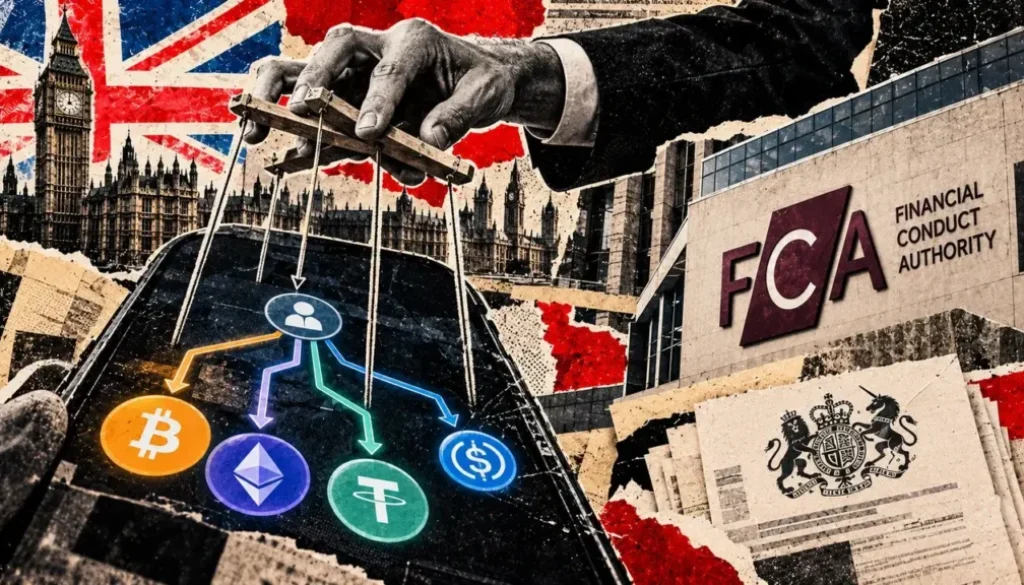
Software that picks trade routes for crypto users could fall inside UK licensing rules, a reading that reaches DeFi aggregators and automated trading interfaces. The FCA’s draft guidance sets a feedback deadline of Nov. 18, while firms already face an open application window.
- Apps that pick venues or routes using price, liquidity, costs or speed may be arranging deals.
- Automating routing decisions does not necessarily shield developers or operators from regulation, according to the draft guidance.
- Feedback closes Nov. 18; final guidance is due January 2027 per the website, spring 2027 per the paper.
- Oct 2027 UK crypto regime start, approximately 3 years after the draft guidance
- Nov 18 Feedback deadline on the draft, four weeks after publication
- Feb 28 Close of the transitional application window that opened Sept. 30, 2026
- Jan 2027 Website’s target for final guidance, versus spring 2027 in the paper
Britain’s Financial Conduct Authority has warned that crypto trading apps could need authorization if their software decides how customer transactions run, according to reporting by CryptoSlate. In draft guidance published Wednesday (October 21), the FCA said apps that pick venues or routes on price, liquidity, costs or speed may be arranging crypto deals.
That activity needs authorization under rules taking effect on Oct. 25, 2027, approximately 3 years after the draft appeared. The reading could pull DeFi aggregators and automated trading interfaces into the UK licensing regime. Operators might have to seek permission or change how their software handles customer trades.
The FCA has asked for responses by Nov. 18, four weeks after publication, and the application window for transitional protections is already open. The proposals form part of a wider effort to define which crypto businesses qualify for exemptions from the new framework.
FCA draws the line at software that influences how trades are executed
The consultation centres on a technical-services exemption meant to protect software providers whose apps simply connect customers to third-party trading platforms or decentralized protocols. Under the proposed interpretation, an interface that transmits customer instructions without influencing their execution may qualify.
Apps that evaluate competing liquidity sources, recommend venues or decide how transactions are executed could be carrying out regulated activities. That distinction matters for DeFi aggregators, which often compare prices and liquidity across decentralized exchanges to find execution routes for customers.
The regulator listed several signs of discretionary involvement. They include modifying transaction instructions, determining execution timing and selecting routes based on counterparty risk or expected trading outcomes. Apps promising customers the best available execution may also face closer scrutiny, because such promises can indicate the operator is judging between competing trading options.
Automated routing is no shield, and the exemption has its own limits
The FCA further warned that automating these decisions does not necessarily shield developers or operators from regulation. Algorithms can execute choices set by their providers, including criteria that decide which exchanges or liquidity sources receive customer orders. The assessment would therefore cover how trading software is designed and operated, even when individual transactions complete without human intervention.
The interpretation still leaves room for apps using predetermined, objective routing rules. Whether a provider exercises discretion is one consideration alongside its broader involvement in facilitating transactions.
The exemption also carries separate eligibility requirements, including restrictions on authorized firms and payment service providers. It covers qualifying technical access arrangements, not every software service tied to decentralized finance.
Operators of decentralized platforms face a test of control and economic interest
The proposals extend past trading interfaces to the operators of decentralized platforms. The FCA said distributed governance, smart contracts and automated systems do not automatically remove regulatory obligations where identifiable individuals or businesses control services.
The regulator will weigh operational responsibilities, decision-making authority and economic interests in deciding whether an entity carries out regulated activities. Those provisions could complicate compliance for DeFi businesses whose developers, governance participants and commercial operators share responsibility for maintaining trading infrastructure. The reporting does not include responses from aggregator operators or developers, so their position on the draft is not represented.
Final guidance may land after the Feb. 28, 2027 application deadline
Existing UK crypto businesses seeking transitional protections must submit applications between Sept. 30, 2026, and Feb. 28, 2027. The FCA’s website targets January 2027 for final guidance, but the consultation paper identifies spring 2027. That gap could leave affected businesses little time to settle their licensing requirements.
The FCA acknowledged the uncertainty. It said it may grant extra time to complete arranging-permission details where the proposed technical-services exemption materially affects an application. Businesses must still submit otherwise complete applications within the prescribed window.
Affected operators can also seek pre-application support from the regulator. That help can let them assess transaction-routing systems and decide whether to change operating models or authorization applications before the February deadline.
The BlockWest read. We read the draft as a design question for aggregator teams, not a labeling exercise. Firms that route orders through discretionary scoring now choose between fixed, objective routing rules and an authorization file. With the application window closing Feb. 28, 2027 and final guidance possibly arriving later, we expect routing logic to be reviewed before the legal analysis is settled.
The next date is Nov. 18, when feedback on the proposals closes. After that, the FCA must settle whether final guidance arrives in January 2027 or spring 2027, ahead of the Feb. 28, 2027 application deadline and the Oct. 25, 2027 start. Whether DeFi aggregator operators argue for exemption before then is still open.
BlockWest is a news publication. Nothing here is investment advice. Read our disclaimer and editorial policy.