South Korea’s Financial Intelligence Unit blocks 27 unregistered crypto exchanges
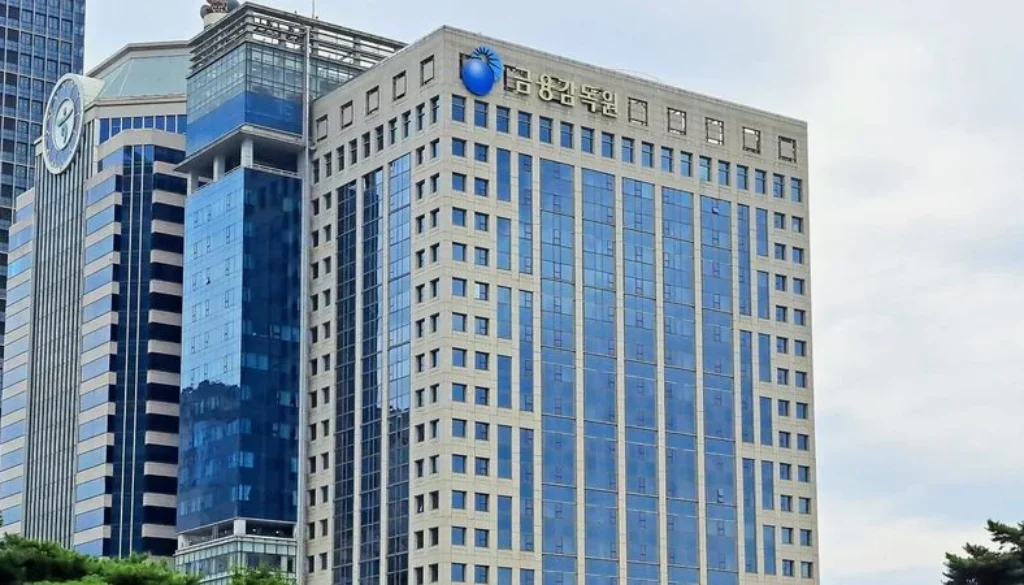
South Korea’s financial regulator has expanded its enforcement against unregistered crypto exchanges by blocking their websites, directly targeting major platforms like KuCoin and BitMart. This escalation signals a hardening regulatory stance that will reshape how foreign exchanges can reach South Korean customers and manage compliance obligations.
- South Korea’s Financial Intelligence Unit blocked 27 unregistered crypto exchange websites, including KuCoin, BitMart, and MEXC, after mobile app restrictions last year.
- Foreign exchanges must register with the FIU and meet security and anti-money-laundering requirements to legally serve South Korean customers.
- Only 28 virtual asset service providers are currently registered with the regulator, while 44 unregistered operators have been referred to investigators.
- 27 Unregistered crypto exchanges blocked by South Korean regulator on Tuesday
- 28 Virtual asset service providers currently registered with the FIU
- 44 Unregistered operators referred to investigators by the watchdog
- $110 billion Estimated crypto outflow from South Korean exchanges during 2025
South Korea’s Financial Intelligence Unit announced Tuesday (October 13) that the Korea Communications Standards Commission approved website blocks for 27 unregistered cryptocurrency exchanges following reviews on Tuesday (October 6) and Wednesday (October 7), according to CoinDesk reporting. The action extends the country’s enforcement campaign beyond the mobile app restrictions imposed last year against platforms including KuCoin, BitMart, and MEXC. Overseas-operated exchange websites will face blocking, while domestically operating services face termination orders.
KuCoin pledges compliance as enforcement expands without court orders
The FIU stated that regulators can now seek website blocks immediately upon detecting unregistered activity, without requiring a court ruling or evidence of customer losses. This procedural change significantly lowers the barrier to enforcement action and accelerates the pace at which authorities can restrict access to non-compliant platforms.
KuCoin responded to the action by stating that the firm “respects applicable laws and regulations across jurisdictions and continuously strengthen our compliance framework in response to evolving regulatory requirements,” and that “user assets remain safe and secure.” BitMart, Phemex, and MEXC did not immediately respond to requests for comment.
Registration requirements and ongoing referrals narrow the legal path forward
To legally operate in South Korea and serve domestic customers, exchanges must register with the FIU and satisfy the country’s security and anti-money-laundering standards. The FIU has referred 44 unregistered operators to investigators and signaled that it will pursue additional website blocks against exchanges that reopen under different addresses.
Currently, only 28 virtual asset service providers hold active registration with the regulator, creating a steep compliance gap across the sector. The FIU warned that customers using unauthorized platforms may face difficulties recovering their funds and urged investors to verify their exchange’s registration status and withdraw assets from non-compliant operators.
Capital flight accelerates amid stricter rules and unclear timelines
The FIU has not specified how long the website restrictions will remain in place or set a deadline for exchanges to achieve compliance.
South Korean investors have transferred an estimated $110 billion in crypto out of domestic exchanges during 2025 in response to tightening regulatory requirements. The FIU announced it will coordinate with the Digital Asset eXchange Alliance, an industry trade association, to assist affected customers in withdrawing funds from blocked platforms where access restrictions create practical difficulties.
The country’s proposed Digital Asset Basic Law, not yet in force, would establish a comprehensive legal framework covering issuance, trading, custody, and supervision of digital assets.
The BlockWest read. Regulators have removed procedural friction from their enforcement toolkit, but the underlying question for institutional allocators remains: how many of the 44 referred operators will attempt registration versus pivoting entirely away from the South Korean market? The $110 billion outflow suggests investors are already voting with their capital.
The FIU’s next enforcement action will test whether exchanges can reopen under new addresses faster than regulators can block them, and whether the industry association DAXA can meaningfully help trapped users recover funds without triggering further capital flight.
BlockWest is a news publication. Nothing here is investment advice. Read our disclaimer and editorial policy.