Nvidia halts H200 chip sales to China under new leadership
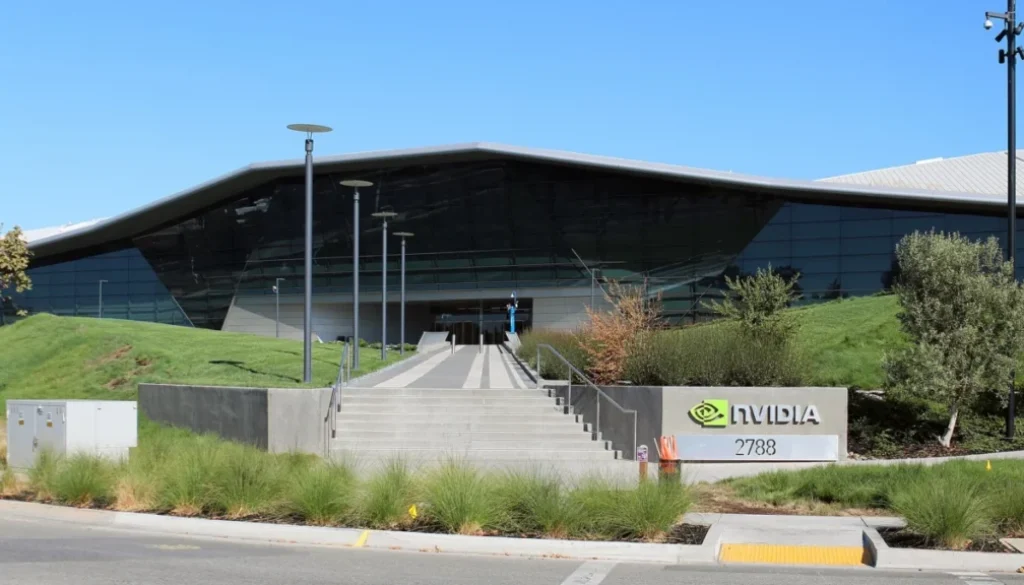
Nvidia’s decision to halt H200 chip sales to China marks a sharp reversal from co-founder Jensen Huang’s market-access strategy and signals how leadership change reshapes the company’s regulatory compliance posture. The move, coupled with stricter U.S. export controls taking effect, threatens to eliminate a revenue stream that analysts estimate could cost the chipmaker tens of billions of dollars annually.
- Acting CEO Colette Kress announced Tuesday that Nvidia will no longer sell H200 chips to China, ending a tariff arrangement brokered by Huang and President Donald Trump.
- Investment bank Jefferies estimates the new export rules could trim between $44 billion and $62 billion from Nvidia’s data center revenue in the coming year.
- Chinese AI labs continue accessing prohibited Nvidia Grace Blackwell chips through foreign data centers, though new regulations will restrict sales to any facility serving Chinese customers remotely.
- $104B Annual revenue at Nvidia’s Singapore subsidiary in 2025, before the company stopped disclosing regional figures
- 25% U.S. tariff rate on H200 chips shipped through America under the now-abandoned arrangement with China
- $44B-$62B Potential reduction in Nvidia’s data center revenue next year from new export control rules, per Jefferies
- 20% Estimated share of Nvidia’s annual revenue linked to China-related demand, according to critics of the company’s market exposure
TechCrunch reported that Nvidia will cease H200 chip sales to China, a decision announced by acting CEO Kress during the company’s first earnings call following co-founder Jensen Huang’s departure last week. The move abandons a controversial arrangement that allowed Chinese buyers to purchase advanced chips through U.S. channels subject to a 25% tariff, a pathway Huang had consistently defended as vital to American competitiveness. The announcement came the same day Nvidia disclosed it was establishing a board-level committee to oversee national security policies, export control compliance, and global trade risks.
Huang’s market-access argument loses influence under new leadership
Huang had long argued that ceding the Chinese market to competitors would harm U.S. technology leadership. In April, he told podcaster Dwarkesh Patel that “to concede that market for the United States technology industry is a disservice to our country.”
Jensen Huang, Nvidia co-founder and former CEO
His ouster, attributed in part to an affair with the CEO of a company under investigation for smuggling chips into China, has coincided with stricter regulatory enforcement. The U.S. issued new export rules Monday barring advanced chips from foreign data centers that serve Chinese customers remotely, eliminating the workaround that had sustained the tariff arrangement.
Kress indicated that Nvidia’s backlog of demand for advanced chips like Vera Rubin means the new rules would have minimal near-term revenue impact, referencing the strong demand outside China.
Chinese labs have already accessed prohibited chips through alternate routes
Chinese AI model developers have circumvented restrictions by training on Nvidia Grace Blackwell chips sourced from data centers outside China, according to a researcher at Georgetown’s Center for Security and Emerging Technology. That training likely occurred at facilities in neighboring countries, but the new regulations will bar sales to any data center that certifies it serves remotely any Chinese customers.
Export control attorney Dan Fisher-Owens told TechCrunch that large AI training facilities will face a choice: certify they serve no Chinese users, or abandon Nvidia chips for competing options.
The new rules may force regional data centers in Singapore, Malaysia, Thailand, and Indonesia toward alternative suppliers. Nvidia’s Singapore subsidiary generated $104 billion in annual revenue in 2025 before the company stopped disclosing regional revenue breakdowns, suggesting the impact of these restrictions will be difficult to track publicly going forward.
The BlockWest read. Kress’s move to cut China access entirely rather than defend the tariff loophole tells us that Nvidia’s new leadership views compliance and regulatory stability as more valuable than the disputed revenue stream. Where Huang saw geopolitical competition, the board now sees legal and reputational risk. That calculus may protect Nvidia from U.S. scrutiny but abandons the argument that the company could both serve China and strengthen America.
Watch whether Nvidia’s foreign data centers in Southeast Asia apply for certifications under the new export rules or pivot toward custom chips designed to sidestep U.S. controls, and whether Jefferies updates its $44 billion to $62 billion revenue forecast as regional demand patterns become clearer in coming quarters.
BlockWest is a news publication. Nothing here is investment advice. Read our disclaimer and editorial policy.