Crypto super PACs spent $168 million to elect 78 lawmakers on digital-asset regulation.
Five crypto-focused super PACs deployed $168 million across the 2025-2026 election cycle to shape congressional composition on digital-asset regulation, preserving experienced legislators while adding new voices to the debate. The spending’s outsized concentration in a single Ohio defeat underscores both the industry’s electoral reach and the limits of money in determining outcomes on stablecoins, exchange rules, and tax treatment.
- 78 candidates backed by crypto super PACs won congressional seats, with 65 holding prior experience and only 13 entering Congress for the first time.
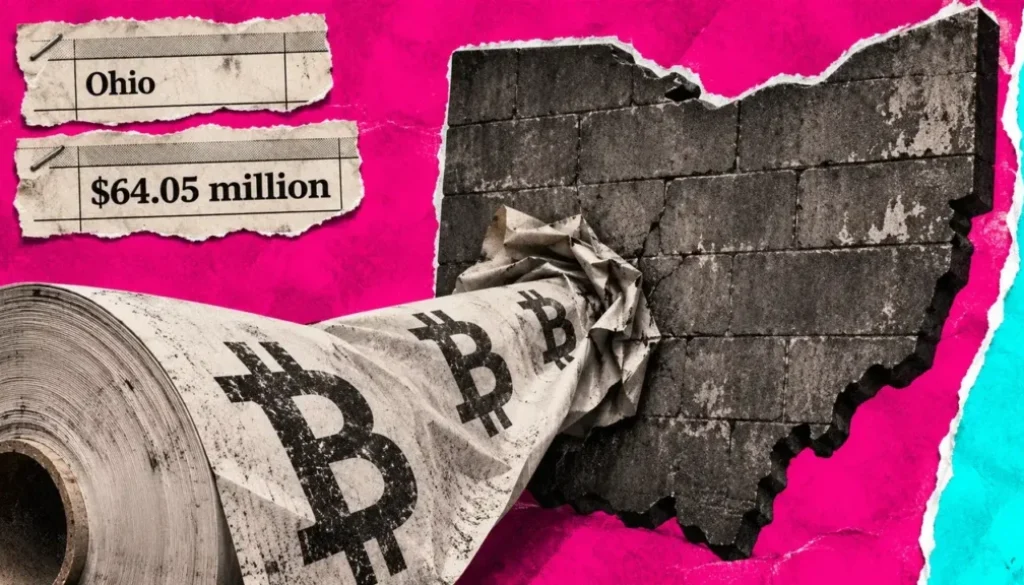
- Five PACs reported $168.1 million in independent expenditures through November 10, with $64 million spent on Ohio’s Senate race where the industry’s preferred candidate lost.
- Winning lawmakers include the House CLARITY Act’s author and senators with divergent views on stablecoin and exchange regulation, leaving core legislative disputes unresolved.
- $168.1M Total spending by five crypto super PACs in 2025-2026 cycle, including support and opposition
- 78 Winning congressional candidates supported by crypto PAC independent expenditures across House and Senate
- $64M Combined spending to elect Jon Husted and defeat Sherrod Brown in Ohio Senate race
- 13 First-time entrants among 78 winners, representing one in six of supported successful candidates
CryptoSlate reported that five crypto-focused super PACs invested $168.1 million in independent expenditures during the 2025-2026 election cycle through November 10. The committees backing the candidates and causes centered on blockchain regulation produced a mixed outcome: 78 winners entered or returned to Congress, yet nearly $64 million of that total was spent on a single race in which the industry’s preferred candidate lost. The winning roster divides evenly between parties at 39 Democrats and 39 Republicans, though Senate results lean heavily Republican with seven of eight winners from the GOP. The cohort preserves lawmakers with existing experience on digital assets while introducing new voices from districts whose prior representatives opposed major legislation the industry supported.
Experienced advocates returned while newcomers bring shifting district positions
Of the 78 winners, 57 are returning to the same chamber they already held, five moved from the House to the Senate, and three are former members coming back for another term. The 13 first-time entrants made up about one-sixth of the group. The winning roster includes French Hill, an Arkansas Republican who authored the House CLARITY Act, which would split digital-asset oversight between the Securities and Exchange Commission and the Commodity Futures Trading Commission. Hill voted for both the CLARITY bill and the GENIUS stablecoin bill in July 2025, while Defend American Jobs and Fairshake reported a combined $1 million supporting him across the primary and general election. His bill advanced through the House on a 294–134 vote.
Two of the 13 newcomers account for nearly two-thirds of the $14 million spent on first-time entrants. Adrian Boafo received $5 million and Jasmine Clark $4 million, all from Protect Progress during their primary campaigns.
Boafo succeeds Steny Hoyer in Maryland’s 5th District. Hoyer voted against both CLARITY and GENIUS in July 2025, a record that establishes the district’s earlier opposition to both bills. Boafo brings different credentials to the post: he sponsored Maryland’s blockchain and digital-currency task force, established by state law in May, with recommendations due in October 2027. He also sponsored a separate staking-services bill addressing restrictions and a securities exemption, though his retrieved record shows only a hearing rather than enactment. Clark enters Georgia’s district after David Scott, who long held the seat, voted against both bills. She received support from Stand With Crypto based on a December 2025 questionnaire response showing support for holding crypto in personal wallets and broad stablecoin availability. Neither Boafo’s nor Clark’s future voting record is predetermined by their prior positions or outside backing, but each arrives in a district where the prior representative opposed both major bills the industry supported.
Ohio’s $64 million defeat and Senate Republicans’ crypto lean
The election’s largest spending effort ended in loss for the industry. Defend American Jobs and Digital Freedom Fund reported $40 million supporting Jon Husted and $24 million opposing Sherrod Brown in Ohio’s Senate race, which Brown won. The combined $64 million accounted for roughly 38% of the five-PAC total. Spending on supporting all 78 eventual winners totaled approximately $64 million, meaning a single lost race consumed as much money as the entire winning slate.
Party divisions among the winners show a geographic and structural imbalance. House winners split 35 to 35 between Democrats and Republicans, but Senate victors went 7–1 in favor of Republicans, with Virginia’s Mark Warner as the sole Democrat winning a supported seat. This pattern reflects Senate seats that were in play during the 2026 cycle, not the full partisan composition of the incoming chamber. Democratic control of both houses changed the landscape for committee leadership and legislative initiative, affecting whether bills sponsored by industry-backed Republicans advance.
Brown’s victory was one of seven wins by candidates the crypto PACs opposed, demonstrating that outside spending does not determine electoral outcomes.
Warner’s ethics line and unresolved disputes on three major questions
The returning and new lawmakers face three distinct legislative challenges with different timelines and levels of consensus. Exchange regulation remains in negotiation: CLARITY would establish a federal framework for digital-commodity trading, but its allocation of regulatory authority between the SEC and CFTC remains contested. Hill has helped write that framework and Barr has voted for its House version, but Virginia Democrat Mark Warner, who received $150,000 in Fellowship PAC support for his primary, has set conditions that the current bill’s supporters have not met.
Warner voted for GENIUS in June 2025, then voted against advancing CLARITY in September 2026. In that September 15 cloture vote on the motion to proceed, Warner opposed the procedural step and the motion failed 49–50. Warner’s explanation centered on ethics: he said the proposal lacked adequate restrictions on the president and senior officials profiting from crypto. He supported a federal regulatory framework while withholding support from legislation he considered deficient on financial conflicts. His position gives the industry a specific negotiating problem: agreement on stablecoins and a broader desire for federal rules can coexist with a demand for restrictions the bill’s supporters have not yet accepted.
Stablecoin safeguards are moving into implementation. GENIUS became law in July 2025, with the Office of the Comptroller of the Currency finalizing its implementing rule in October and both taking effect on January 18, 2027.
Tax relief remains a proposal despite industry backing. Steven Horsford, a Nevada Democrat, received $1 million in general-election support from Fairshake and voted for both House crypto bills. He also joined the original sponsors of the digital-asset tax package that advanced through Ways and Means by 38–5 in September. The introduced text of H.R. 10357 includes simplified treatment of qualifying dollar stablecoins and a gain-and-loss exclusion for digital assets used to pay eligible network or transaction fees totaling $10 or less per underlying transaction. The committee advanced a substitute version, but the measure has not become law and existing IRS obligations continue to apply.
The BlockWest read. The crypto industry enters the next Congress with experienced legislative allies but faces deeper structural constraints than spending totals suggest. A $64 million loss in Ohio demonstrates that outside money cannot override electoral fundamentals. More consequentially, Warner’s ethics objection exposes a fracture among industry-backed winners that cannot be healed by the current bill’s text. The question is whether Hill and Barr can persuade Warner or enough other senators to rewrite CLARITY, not whether the industry won another election.
The Office of the Comptroller of the Currency’s implementing rule for GENIUS stablecoin law takes effect January 18, 2027. Lawmakers will then begin to assess whether the reserve and redemption requirements work as intended or whether changes to the underlying statute are needed. More immediately, Hill, Barr, and the broader Financial Services Committee will determine whether CLARITY can be reintroduced and redrafted to address Warner’s concerns on conflicts of interest, or whether the bill will stall again as it did in September.
BlockWest is a news publication. Nothing here is investment advice. Read our disclaimer and editorial policy.