Arbitrum joins Paxos’s Global Dollar Network stablecoin consortium
Arbitrum is joining Paxos’s Global Dollar Network, giving the Ethereum layer-2 network a direct stake in the reserve income generated by stablecoins circulating on its chain. The move comes as rival consortiums, from OpenUSD to Europe’s digital currency initiatives, race to lock in distribution partners before a single issuer dominates digital-dollar economics.
- USDG launched on Arbitrum on Tuesday with Fluid, Morpho, GMX, Maple and Kraken integrating immediately.
- Arbitrum’s network currently holds about $3.8 billion in stablecoins, with Circle’s USDC making up roughly 60% of that total.
- A new ArbitrumDAO governance proposal would add 100 million ARB tokens to the network’s DRIP incentive program to support USDG.
- $3.8B total stablecoins circulating on Arbitrum, per DefiLlama data
- 60% share of Arbitrum’s stablecoin supply held in Circle’s USDC
- $3B+ USDG in circulation across all networks, issued by Paxos
- 100M ARB tokens proposed for Arbitrum’s DRIP incentive program
Arbitrum is joining the Global Dollar Network, the Paxos-led stablecoin consortium behind USDG, according to reporting by CoinDesk. The Ethereum layer-2 network is seeking a share of the economics already flowing through stablecoins on its rails rather than leaving that revenue solely with issuers. USDG launched across Arbitrum’s decentralized finance ecosystem on Tuesday, with integrations spanning trading, lending and payments.
USDG arrives on Arbitrum through Fluid, Morpho, GMX and Kraken
The rollout touches lending protocol Fluid, Morpho, GMX, Maple, Li.Fi, Gauntlet, Steakhouse and LayerZero, with Kraken supplying on- and off-ramps for the token. Uniswap and Fhenix are expected to add USDG support in a later phase.
Paxos issues USDG as a dollar-backed token with reserves held one-for-one. The stablecoin already has more than $3 billion in circulation across the networks where it operates.
Global Dollar Network’s 150 partners share in USDG reserve income
Global Dollar Network counts more than 150 partners, including Robinhood, Kraken, Mastercard and OKX. Rather than keeping reserve income to itself, Paxos distributes rewards generated by USDG’s backing assets among partners that help drive the token’s adoption.
That structure gives Arbitrum something it currently lacks. DefiLlama data show about $3.8 billion in stablecoins already sitting on the network, with Circle’s USDC making up roughly 60% of that pool, yet Arbitrum does not collect a share of the reserve income those tokens generate for their issuers.
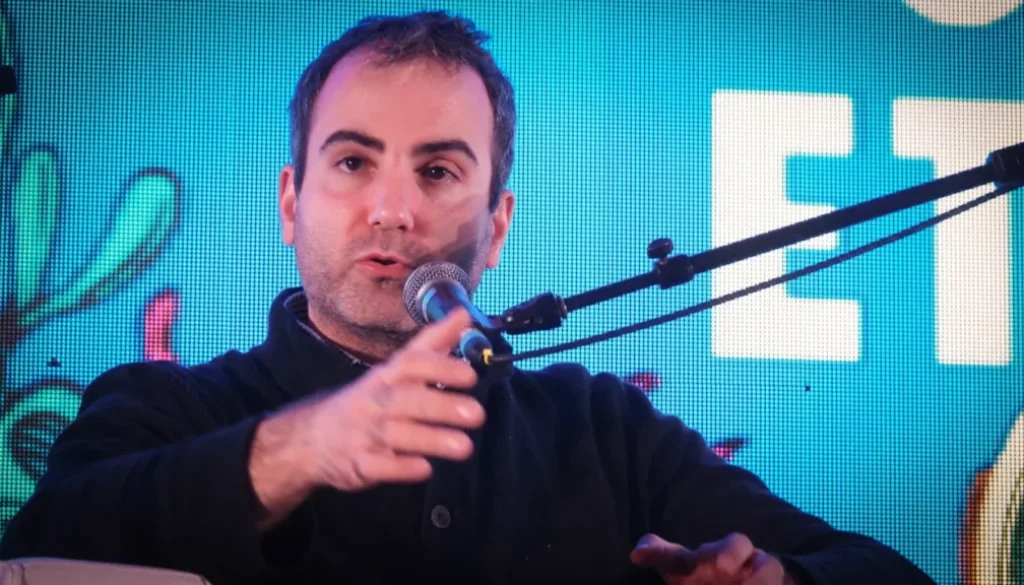
Brendan Ma, head of investment strategy at the Arbitrum Foundation, said the USDG integration changes that calculus.
“With USDG, Arbitrum and builders across the platform now have a stake in the growth upside,”
Brendan Ma, head of investment strategy at the Arbitrum Foundation
A governance proposal published Tuesday asks ArbitrumDAO to make USDG growth a strategic priority. It calls for adding 100 million ARB tokens to the network’s DRIP incentive program and using treasury assets to support USDG liquidity.
Rival alliances OpenUSD and Qivalis widen the stablecoin contest
Arbitrum’s move fits a broader pattern of stablecoin issuers banding together rather than competing alone. Open Standard is building OpenUSD with backing from Mastercard, Visa, Stripe, Coinbase and Shopify.
In Europe, 37 banks back a separate consortium, Qivalis. Each model aims to spread issuance, distribution and reserve economics across a wider set of partners instead of concentrating them with one issuer.
Arbitrum has drawn other attention recently too. Its technology underpins Robinhood Chain, the brokerage’s planned Ethereum-based network, with Robinhood agreeing to share a portion of user-activity revenue with the Arbitrum ecosystem.
The BlockWest read. For Arbitrum, USDG is less about adding one more stablecoin and more about diversifying chain revenue beyond gas and sequencer fees. If the DAO approves the 100 million ARB allocation, treasury-funded liquidity incentives become a template other layer-2 networks will likely copy as they compete for the same reserve economics Paxos is now sharing.
ArbitrumDAO has not yet voted on the proposal to commit 100 million ARB and treasury assets to USDG liquidity, leaving the scale of Arbitrum’s eventual stake in Global Dollar Network’s reserve income still undetermined. Uniswap and Fhenix have yet to confirm when their USDG integrations will go live.
BlockWest is a news publication. Nothing here is investment advice. Read our disclaimer and editorial policy.