SEC grants tokenized stock trading venues temporary exemption from exchange rules
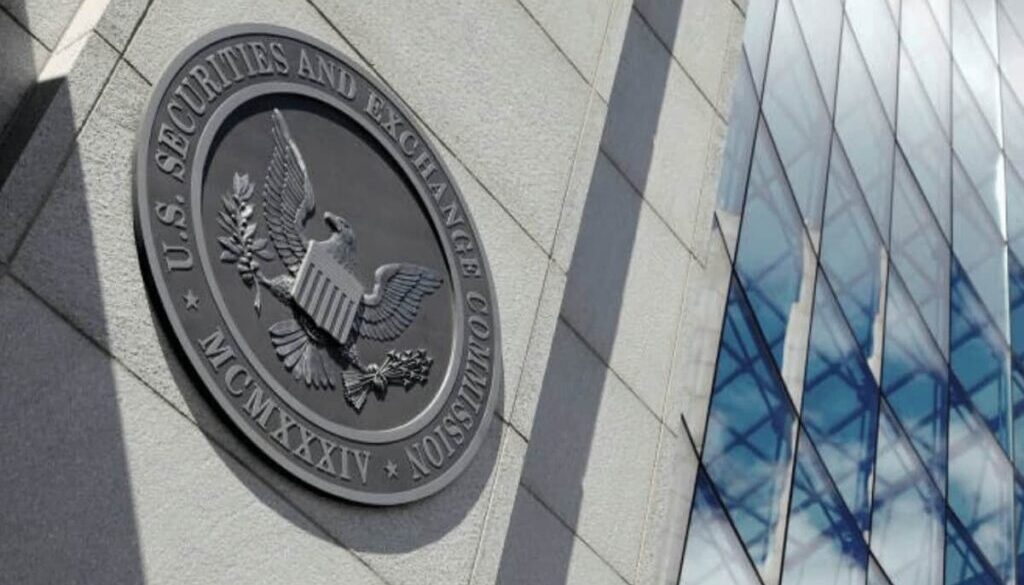
The SEC has created a pathway for tokenized stocks to trade on blockchain venues without triggering exchange registration requirements, marking the first formal regulatory framework for onchain equity trading in the US. The temporary exemption sets conditions around smart contract transparency, trading halts, and investor protections that shape how this nascent market can operate.
- SEC issued an Innovation Exemption on September 17 allowing Tokenized Securities Venues temporary relief from exchange registration requirements.
- Tokenized shares must provide identical rights to traditional stock, with trading volumes and available securities limited under the exemption.
- Smart contracts must be publicly auditable and deployed on public, permissionless blockchains, with trading halts tied to primary exchange suspensions.
- September 17 Date the SEC issued the Innovation Exemption for tokenized stock trading venues
- Permissioned AMMs Trading mechanism allowed under the exemption for tokenized National Market System stocks
CryptoPotato reported that the US Securities and Exchange Commission introduced an Innovation Exemption designed to facilitate secondary trading of tokenized stocks on blockchain-based protocols. Issued on September 17 (Wednesday), the order grants Tokenized Securities Venues temporary, conditional relief from being classified as exchanges under the Securities Exchange Act. These venues can facilitate trading of tokenized National Market System stocks through permissioned automated market makers and liquidity pools, creating the first regulatory pathway for equities to trade natively on public blockchains.
Smart contract transparency and chain requirements set baseline standards
The exemption requires that smart contracts deployed by TSVs be publicly auditable and operate exclusively on public, permissionless blockchains. This ensures that the underlying infrastructure supporting tokenized stock trading remains transparent and accessible to regulatory oversight. The requirement reflects the SEC’s intent to maintain visibility into how venues execute trades and manage liquidity pools.
Tokenized shares must provide holders with identical rights as equivalent traditional stocks under the exemption’s investor protection framework.
Trading halts and volume caps limit initial market scope
Trading on these venues must halt whenever the underlying stock is suspended on its primary exchange, creating a direct link between onchain and traditional market operations. The exemption also imposes limits on trading volumes and the number of securities available through TSVs, constraining the initial size of the market. These guardrails reflect regulatory caution about allowing tokenized equity trading to scale without first demonstrating operational resilience and market integrity.
The SEC also granted conditional relief from dealer registration requirements to certain liquidity providers supplying tokenized stocks to permissioned pools.
SEC invites public input on permanent framework
SEC Chairman Paul Atkins stated the exemption is temporary and exists while the Commission evaluates whether additional action is needed to facilitate onchain trading more broadly.
The Innovation Exemption, while temporary, would allow TSVs to trade tokenized NMS stock in a permissioned environment today while the Commission considers the need for additional action to facilitate onchain trading. As we take this important first step, we invite public comment on all aspects of the Innovation Exemption to help inform the Commission as it considers further changes.
Paul Atkins, SEC Chairman
The invitation for public comment signals that the SEC views this exemption as exploratory rather than final. The feedback process will inform whether the Commission moves toward permanent rules that either expand or restrict onchain equity trading. The temporary nature of the relief creates an explicit deadline by which the SEC expects to have gathered sufficient evidence and stakeholder input to determine the next regulatory step.
The BlockWest read. For institutional investors and asset tokenization platforms, this exemption resolves a critical blocking point: venues can now operate without years of regulatory uncertainty, but only within deliberately narrow bounds. The real test lies in whether trading volumes and asset count restrictions prove economically viable for venues, and whether they expose vulnerabilities that justify tightening rather than loosening the rules.
The SEC has set no explicit deadline for when this temporary exemption expires or when it will decide on permanent rules. Watch whether TSVs and liquidity providers actually launch under these conditions, and what trading activity and incident reports emerge over the coming months, since poor outcomes could accelerate stricter permanent rules rather than liberalization.
BlockWest is a news publication. Nothing here is investment advice. Read our disclaimer and editorial policy.