Dow, S&P, and Nasdaq Fall for Third Consecutive Day While Yields and Oil Prices Climb
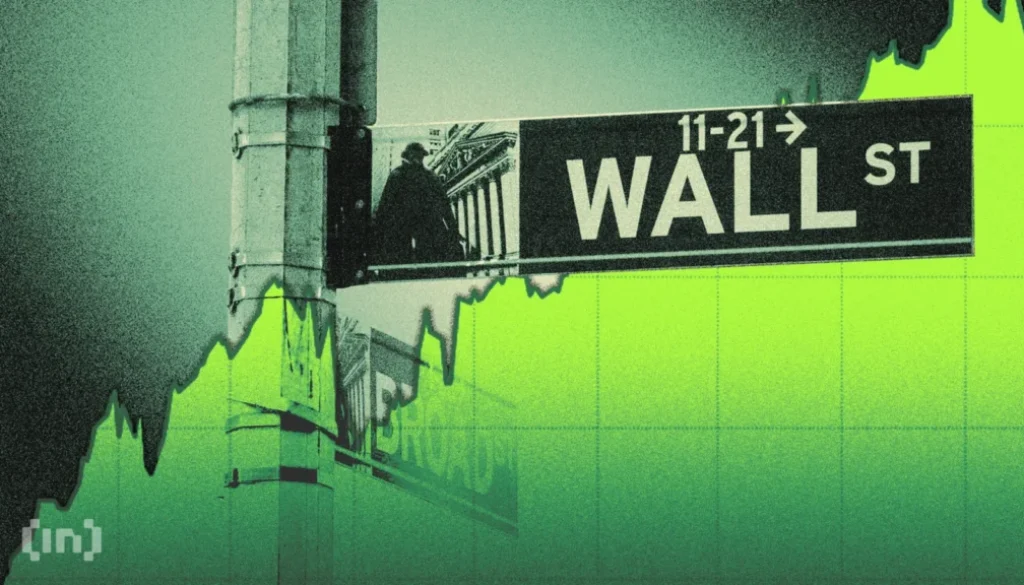
A third consecutive decline across major US equity indices reflects mounting pressure from surging Treasury yields and geopolitical oil concerns. Rising borrowing costs and Middle East tensions are creating competing market forces that traders say cannot coexist indefinitely.
- Dow Jones fell 405.41 points, or 0.77%, to 52,380.66 on Wednesday
- 10-year Treasury yield climbed to 4.84%, its highest level since November 2023
- Brent crude jumped 3.36% to $101.21 a barrel, highest close since May
- 0.77% Dow Jones decline on Wednesday versus prior close
- 4.84% 10-year Treasury yield, highest level since November 2023
- $101.21 Brent crude settlement price, highest close since May
- 3 Consecutive days of losses for US stock market this week
US equity markets extended their losing streak Wednesday as the S&P 500 slipped 0.48% to 7,636.36 and the Nasdaq Composite fell 0.64% to 26,253.34. The third straight session of declines came after the Dow’s worst single day in nearly three weeks on Tuesday, marking a difficult start to a holiday-shortened trading week. Two primary headwinds drove sentiment lower: climbing Treasury yields and renewed geopolitical risk premiums in crude oil.
The confluence of these pressures reflects a fundamental tension in markets between expectations for persistent monetary tightness and concerns about growth. Higher Treasury yields typically weigh on equity valuations by increasing discount rates used to value future corporate earnings, particularly for growth-sensitive sectors like technology that dominate major indices.
Treasury buyback fails to cap yield surge past 4.84%
The Treasury Department announced it would triple its buyback program for longer-dated debt to $6 billion, yet the intervention proved insufficient to arrest the climb in borrowing costs. The 10-year yield pressed higher to 4.84%, marking its highest level since November 2023 and narrowing the gap toward the 5% threshold that many traders view as a critical psychological level.
Some market participants had anticipated a more aggressive repurchase. Peter Boockvar of The Boock Report noted that Wall Street expectations had ranged as high as $7 billion to $8 billion, making the actual $6 billion figure a disappointment to those betting on stronger support for the longer end of the curve.
The persistence of elevated yields suggests that structural factors may be overwhelming policy interventions. Inflation expectations remain sticky, and the Federal Reserve’s stated commitment to holding rates steady through 2025 has reinforced market pricing for an extended period of restrictive monetary conditions. This dynamic has rippled through housing and credit markets, where higher borrowing costs continue to slow demand and weigh on consumer spending prospects.
Thomas Martin of Globalt Investments characterized the current market dynamic as fundamentally unstable.
You look at equity sentiment, and it’s at an extreme. At the same time, the sentiment for higher interest rates is also at an extreme. Those two things shouldn’t be able to live together for very long.
Thomas Martin, Globalt Investments
Martin’s observation captures the core paradox facing traders: equity markets typically perform poorly when real interest rates are high and growth expectations are falling, yet sentiment indicators suggest investors remain positioned for neither scenario conclusively. This ambiguity has left markets vulnerable to sharp reversals as participants reassess assumptions.
Brent crude reaches May highs as iran tensions escalate
Oil prices extended their advance amid heightened US-Iran tensions that have stoked concerns over potential disruption to Middle East energy supplies. Brent crude settled at $101.21 per barrel, a gain of 3.36% and the highest close since May, while West Texas Intermediate gained 3.25% to $96.05.
The geopolitical premium now compounds pressure on an already strained bond market, creating a dual squeeze on risk sentiment. Similar Middle East fears had already pushed Asian equity benchmarks lower earlier this month when separate strikes had briefly sent crude to multi-week highs. Oil’s role as both an input cost and a recession indicator adds complexity to the current backdrop.
Higher energy prices could accelerate inflation if they persist, potentially supporting the case for rates to remain elevated longer. This would reinforce the Treasury yield surge. Conversely, if oil prices spike high enough to materially impact global growth prospects, recession fears could eventually reverse the current bearish equity positioning and pull yields lower.
Martin cautioned that a sustained move toward $120 a barrel would command considerably greater market attention, suggesting Wednesday’s rally, while notable, has not yet reached levels that would force a decisive repricing across assets. At such levels, corporate profit margins would face meaningful compression, particularly for airlines, shipping companies, and other energy-intensive sectors.
The convergence of extreme equity pessimism with extreme rate-hike sentiment, coupled with oil’s geopolitical climb, leaves the market in an unstable equilibrium awaiting either a resolution in Middle East tensions or a clearer signal on the Federal Reserve’s future path to determine which force prevails.
BlockWest is a news publication. Nothing here is investment advice. Read our disclaimer and editorial policy.