Key takeaways
- KardiaChain positions itself as a blockchain ecosystem rather than just a layer one protocol, with multiple products including a DEX, wallet, metaverse, and web3 services platform.
- Vietnam ranks third globally in cryptocurrency adoption and houses over 600 crypto blockchain companies, driven by strong developer talent and government support through the Vietnamese Blockchain Association.
- KardiaChain co-founders worked with the Vietnamese government to establish the VBA to provide regulatory clarity and encourage enterprise adoption of blockchain technology.
- Southeast Asia's crypto ecosystem is rapidly growing with high adoption rates, attracting companies seeking to leverage the region's abundant tech talent and increasingly favorable regulatory environment.
- KardiaChain launched Kaiso, a new entity offering web3 services including hackathons-as-a-service and AMAs to address pain points identified within the crypto space.
From layer 1 to full ecosystem
Ashton Addison: What is KardiaChain focused on, and what is the protocol about?▶ 00:20
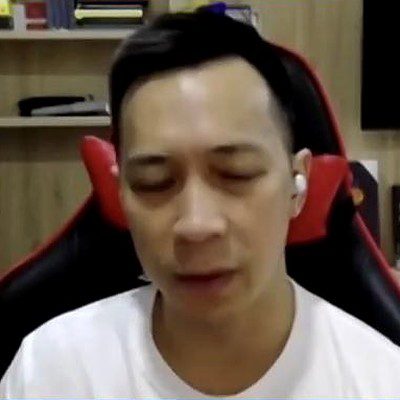
Bobby Pham: KardiaChain started as a layer 1 interoperable blockchain, based in Vietnam and Southeast Asia. Our mission is mass adoption, and that remains the case today. But we've evolved. I like to think of us as a blockchain ecosystem, not just a blockchain. Some of the products and solutions we develop ourselves, and many others are built on top of KardiaChain by partners.
Ashton: What makes KardiaChain different from other protocols trying to host applications as layer 1s?▶ 01:43
Bobby: Many other protocols focus on positioning themselves as a layer 1, like Solana or Avalanche. We're an ecosystem, and we originated in Vietnam, so our presence in Southeast Asia is strong. Apart from Zilliqa, which is strongly based in Singapore, I don't think many blockchains have a stronger brand presence there. We want to be the leading blockchain ecosystem in Southeast Asia. Partners have built a DEX on our platform, and version 3 is coming soon. We also have a user-friendly wallet and an upcoming metaverse that will represent our ecosystem and traditional businesses in Southeast Asia. And we're launching a new entity called Kaiso, which will offer Web3 services like hackathon as a service and AMA as a service.
I like to think of us as a blockchain ecosystem, not just a blockchain.
Why Southeast Asia is booming
Ashton: What does the blockchain landscape in Vietnam and Southeast Asia look like today, and where is it headed?▶ 04:19
Bobby: It's blowing up. More than 600 crypto and blockchain companies are headquartered in Southeast Asia, and adoption rates are very high. Vietnam ranks third globally in cryptocurrency adoption, and it's strong in digital and tech adoption more broadly. Vietnam is known for developer and tech talent, and the government has created a number of associations, not just for crypto, to establish the country as a tech hub. I'm really proud of what the Vietnamese government has done.
Ashton: Is tech talent the main thing drawing crypto companies to the region, or are regulation and government support also behind it?▶ 06:56
Bobby: Both play a part. On the enterprise side, the aim was to offer blockchain as a service to major corporations. But the lack of clarity around crypto regulation made them hesitant, and that's common everywhere. So our co-founders worked with the government to help lead the development of the Vietnam Blockchain Association. It's effectively the government's endorsement of the space: we want to go into this, but let's regulate it and create clear rules. So you have the huge pool of tech talent in Vietnam, and then the support of Vietnam and many other Southeast Asian governments for pushing Web3 adoption.
Ashton: Will all this building actually improve life for people living in Vietnam and Southeast Asia?▶ 09:11
Bobby: I think so. The average Vietnamese teenager spends about four hours a day on their phone, which shows this generation will be completely comfortable with crypto and Web3. Also, much of Southeast Asia is still developing, so many people have trouble accessing even a simple bank account or debit card. Governments see these products improving daily life, and they also see an opportunity to make their mark in the global market. In the West most people already have bank accounts and debit cards, and moving them off those is a challenge. Here, people are ready for anything.
The DEX, DeFi and NFTs
Ashton: What's new in version 3 of the DEX, and how does it fit the wider ecosystem?▶ 12:39
Bobby: Our goal is mass adoption, so we want to onboard people into crypto as easily as possible. We keep meeting developers and entrepreneurs who want to get into the space but don't know how to deploy a blockchain. So we built a range of products to address those pain points. We help you deploy a blockchain, and if you want a token sale, we have a DEX and services to help you launch on it. The DEX sits in a one-stop-shop ecosystem alongside the blockchain, the wallet, the metaverse and our Web3 services. That's aimed at developers and entrepreneurs who want to launch in the Southeast Asian market, where most of our users are.
Ashton: How is KardiaChain approaching DeFi, and is there an NFT scene on the chain?▶ 15:27
Bobby: The previous version of the DEX didn't have much DeFi. Other dapps on the chain offered pools, farms and staking, but they didn't do as good a job as we thought they could. So this is our first real DeFi-based push, through the DEX. Our CTO, Lou, is a DeFi master, and having him lead the way should give us an edge. We also have quite a few NFT marketplaces. One of them is trying to make it very easy for traditional businesses to sell NFT assets. We make a point of working with traditional businesses and enterprises to bring them into Web3.
Much of Southeast Asia is still developing, so many people have trouble accessing even a simple bank account or debit card.
Where KardiaChain goes next
Ashton: What is your vision for KardiaChain five years from now?▶ 17:32
Bobby: It always comes back to our mission of mass adoption. What can we do to educate the community and the public about the benefits of Web3, and to bring more people into building it? We have strong ties with local schools and are looking to develop a blockchain education program. We expect our products to be here for the next five to ten years. But what I really want is to make an impact in Vietnam and Southeast Asia by training more Web3 developers, so we can keep onboarding users. If I had to sum it up in one word, it would be education.
This interview has been edited for length and clarity. Recorded July 2022.