
Nathan McDonald on angel investing during market crisis in 2020
In this episode
Ashton Addison speaks with Nathan McDonald the CEO of Keiretsu Capital and Chairman of the Keiretsu Forum Northwest Angel Group. Keiretsu Forum was recently voted the most active VC Group by PitchBook for the third year in a row. Ashton and Nathan Discuss the current market crisis, how private companies should prepare themselves during the Coronavirus / COVID19 outbreak, and how to position your company to raise capital from Angel Investors.
🤑Custom EventChain Pins provided by Wizard Pins
k4northwest.com · bit.ly · coinjar.com
- Keiretsu Forum has been the most active venture investment group globally for three consecutive years, completing nearly 200 deals annually.
- Angel investing has evolved from informal trunk-based investing to sophisticated online platforms enabling geographic and cross-border deal syndication.
- Keiretsu traditionally focuses on technology and life sciences investments, prioritizing capital-efficient companies with defensible intellectual property and competitive advantages.
- Angel investors prefer capital-efficient opportunities requiring less continuous fundraising, contrasting with venture capital's preference for higher capital deployment.
- COVID-19 shifted angel investing from primarily offline networking events to fully online community participation, potentially expanding geographic access to deal flow.
Transcript
Read the full transcript
I'm at Ranade s'en from event chain for investmentpitch media and FinTech news network and today on blockchain interviews we have Nathan McDonald the CEO of karatsu Capital Nathan welcome to the show it's a pleasure to have you here today yeah thanks Ashley and great to be with you guys you're very welcome if you could kick off the interview by giving a
little bit of background on yourself in the investment world and how that translates into the Koretz who form angel group yeah so I've had a fun career the last 20 years in angel investing got involved with it in college actually doing research on the formation of formal/informal angel groups back in the the dot-com craze 1998-99 2000 graduated from u-dub in 99
and went to work attending events and networking and it's been a fascinating arc of my career and being able to research and look at you know what's happening with the private investment markets and where angel investing has come over the last 20 years as this emerged from very much literally investing out of somebody's trunk in the back of their car to now
all the different sophisticated ways folks can access deal flow and collaborate on opportunities so it's been a lot of fun to see the communities grow and be able to connect together and network through events and now with our current situation things have really taken a step into the online community where what has traditionally been an offline activity for the most part is
now 100% online so we're interested to see how that impact affects things coming out the other end and hopefully gives more people an opportunity to participate no matter where they are geographically and you know then based on their areas of interest so it's a fascinating time we're in now we've been through a couple ups and down cycles along the way and so we certainly have
learned a thing or two so happy to share some of the things that we've seen work in these situations we've been through before great Thank You Nathan and we're definitely moving up and down in these different times and it seems a lot of these private companies have needed to make a quick pivot based on the the Cova situation that's going on especially
ones that are in entertainment or in close interaction but just to touch a little bit more on the background of currency form and your company and your group has been a around for quite a long time and with the Koretz who forum you know I believe they've won awards for three years in a row being one of the you know the number one most active VC group can you explain
a little bit about that and how curette sue has maintained being number one yeah it's funny when we began tracking our investment data back in in 2005 it was a little bit of a novelty because nobody really tracked private angel investment information and deals everything was focused on the money tree and the BC investing and it really has been like that up until about five years ago we
were finally able to get pitch book to track the angel data together with the angel Capital Association and the halo report some of the researchers from the University of Washington and from Willamette University had done some research studies and so they began to see angel investment groups along the same lines as venture capital investors in terms of their activity level and
backing companies there became a lot more interest in the data itself having some value so companies began to track it and groups like Koretz who began to report our numbers and have them actually represented in the same investment totals that there are for Sequoia and for NEA and for Y Combinator and the other group so Koretz it was a global network 50-plus chapters three
thousand members about twenty years old now we've always been one of the most active venture investment groups but just now that they've been tracking the data the last five years we've been the most active venture investor globally for the last last three you know coming close to a couple hundred deals a year so it's almost an investment a little more than every other day that's pretty
amazing to see the the activity level our members have and backing all kinds of different opportunities both in North America and then also in Spain we've been the most active venture group in Spain for a long time and and also in India are our new chapters there have been growing very strong and the angel market there is robust so we're excited for the opportunity to really have a
little more of a global expansion it hasn't been something angel investing is traditionally done a cross-border so they're certainly still a lot of room to grow and prove and to create more efficiencies and cret she is fortunate to have done a lot of research been on the front end of it with due diligence with screening with syndication supporting our companies
throughout the lifecycle of investment and even five years ago launching currency capital is a further extension of that so it's a it's been fun we've learned a lot but now still a long way to go definitely and that's a great backstory and I foresee a great opportunity for karatsu investors to see deals that they maybe would have missed because of this situation and now
everyone is streaming their pitches worldwide throughout the you know forum although it's internally you know investors that traditionally are in the northwest may be able to see something in Europe or in India that they wouldn't have caught and it gives them even more opportunity yeah that's the idea but the practicality of that is fairly limited we've had good success syndicating our
North American deals to India to other places receiving some level of investment but still for US investors to invest internationally if they haven't done it before it just it's a whole nother level of complexity it makes it a challenge even if you like the deal even if it's a small investment it's it is a bit of an extra jump to get comfortable with that type of thing entrepreneurship
always has a lot of risk and you know ya add in that Geographic or you know a cultural risk and just trying to understand even the investment documents can be substantially different than what you're used to looking in in a different language so still some some room to grow in that but it is always fascinating to see just the entrepreneurial idea one of
our groups in Toronto they put together kind of a quick pitch highlight reel of some of the global opportunities that are presenting some of the things they think are just pretty intriguing just from a you know what the technology does and how it might work kind of boy and those are always fun to see the different ideas people are coming up with from around the world and how we
might be able to bring those to work here and in our local markets definitely and you mentioned that Koretz who is investing in in almost over 100 different deals per year what does that look like in terms of which industries has Koretz you more tradition focused on and are you seeing a lot of investment going towards and are you seeing a pivot because of this kovat
situation in the types of investments that you may be more prone to investing to in the future everything's changed a bit in the last few weeks but historically we've been about half technology and half life sciences in terms of our technology side of the equation our private companies and then we love real estate so we've done brick and mortar since Randy Williams founded
Koretz ooh he retired in real estate in the late 90s and actually founded Koretz who to help him with this tech investing and so getting a group of buddies together that had a lot of experience in investing in technology helped him be a better investor and avoid losing money and so we continue to apply that technique in all these emerging markets whether it's fin tech blockchain clean
tech energy you know a bit of consumer products but they can be tough to defend it can be tough to make money on so we do like core IP based opportunities that have intellectual property have patents have some kind of competitive advantage in the marketplace mm-hmm and can be useful and that angel investors can really get involved with and make a difference for and obviously they need
to be capital efficient that's always been something for us the VC is a little less so they want as much capital into these opportunities as they can that helps their economics more but for angels investing our own money and family offices we really appreciate the capital efficiency and so nothing's changed there in terms of the market because we're not looking to burn a
bunch of cash and and have to continually raise money all the time or looking to be very fish and grow revenues and it may take longer to exit but ultimately the economics and the risks are worth it mm-hmm great point and with this uncertainty in the market in the past few weeks here and there's been quite a volatility in the public markets are you seeing a shift in the
way that entrepreneurs are trying to raise capital for example coming to Angel groups do they have to change their strategy or just try and stay ahead of the curve now that the situation has gotten you know more dire and potentially could be worse yeah we've all been kind of in the the aftermath of what's happened here and adjusting accordingly and the
entrepreneurs began to formulate you know what are the responses to the questions what are the questions even it's hard when it's the fog is out there of what's happening in the media and as things ripple around the world some communities are handling it very well here in Seattle we're fortunate we did remote work right out of the gates with the first case back at the end of
February early March and then we've been distancing pretty much for a month now and so we've not seen the spike that unfortunately they've seen in the East Coast and other more dense geographic areas California lockdown right away and again a huge population area there in LA and San Francisco so hopefully the west coast holds up here and we'll see what
happens for the rest of the country and we're all kind of in a wait-and-see mode mm-hmm on that but each company's had to look at their business their supply chain their employees short term take advantage of the government stimulus and the grant programs available which I think this is the largest cash distribution to individuals and small businesses in the history of the planet
so this will be interesting to see what happens in the next couple weeks it it took them five months after Katrina to get the money out so that's not going to work in this situation without unbelievable damage so just talk to my banker this morning and been talking with our portfolio companies the last couple weeks the CEOs are on top of it and making adjustments to their their
burn rate their strategies accordingly nobody's over leveraged or you know significantly overvalued to where they're having to do any major triage right now we have had a couple deals reprice but still get done there's a lot of investor liquidity out there fortunately many of our members sold out of the markets at the end of the year going into the election year the trade
war obviously oil having a huge impact now in the energy sector so fortunately many of our entrepreneurial investors you know this is the time that they they wait for they are contrarian investors and they've got capital and they're ready to go oh so if in fact companies have technologies that can address the current situation yeah that our life science companies are able
to repurpose what they do in some capacity to provide support we're looking to bring those types of companies to the front of the line and get those companies funded so they can have impact and they can address the situation and where can we put our investment dollars in addition to our time and our energy to be able to make an impact we're always looking for that
so it's a it's a powerful time right now the leaders are stepping up and entrepreneurship is never an easy game at any stretch and it just got real for a lot of people so we're looking forward to putting our mettle to the test here and seeing how much stronger we can come out of it that's great and you touched on lowering the burn rates ensuring that
companies if they're not in a fundraising mode would have enough capital to to last a potential you know economic movement like this towards the downtrend for companies that are either low on their on their runway or they're in the middle of raising do you foresee needing to lower the valuation of the company maybe it was overvalued because of the the market looked like really
promising near the end of 2019 and you have any tips for startups that are raising capital on their valuation in these kinds of times yeah I've restructured probably 16 couple weeks and it's a challenging time and companies need to talk with their existing investors their advisors and be able to make they've got a good deal attractive
hopefully finish up that fundraising effort as quick as they can and then hunker down and see where things go it's not a great time to try and raise a lot of money so what we've seen companies do is to shorten up their fundraising cycle in some cases just finish off what they were doing because they've got money in the bank it's not a great time to start
a new fundraising cycle today but there are companies that hey that's where they're at so you know looking at a 20 to 30% discount off of what they thought they would be at going back to the last price ground and working off of that as a benchmark but raising lots of capital today is tough so we got to do more with less we got to focus on customers focus on trying to
get the cash flow neutral and then see where things are in a few months and you know go back to the market at that point with a larger investment offering so certainly things have been curtailed a bit but the value of investment groups for companies that do need to raise capital or have a product that can in fact scale and the impact in today's market those are the things that that
we're looking to bring to the forefront and and our investors are excited to fund mm-hm and from the previous research that I looked at throughout the last crisis in 2008-2009 a lot of unicorn companies were started during that time of crisis you know like uber Airbnb Spotify a lot of these companies that are now multi-billion dollar companies started their fundraising in a
crisis do you you know I see that as an encouragement for people to that are starting companies to take a step forward rather than take a step back and put their put their head down and you know use this isolation time as the time to to grind out you know what will become the future of their company when this economic shift ends do you foresee that of course you know focus on the core
that is what it all comes down to for many of these companies find a real need you know create a real solution and as the great Greenstein used to say back in the dot-com time after the dot bomb he said swim between the waves and that's what entrepreneurs do you know you never know when that next wave and the markets going to come but we certainly know the
folks that are not for real are are not going to be in the market much longer so the companies that come out are going to be strong and they're gonna have a the wind at their back on the other side of this that's what the hope that keeps us going here during the tough times and everyone's really pulled together so much more interconnectivity amongst our
communities that's gone online so I think unlike past situations that we've gone through with Financial Corrections people are able to access resources I'm on you know five different listserv groups and whatapp groups that are constantly posting positive updates positive information I mean looked on LinkedIn lots of great articles and content research so I think it's a very
encouraging time to be an entrepreneur and really you know sharpen up what you're doing how you're doing it focus and execute and if you've got a great idea great opportunity it'll be rewarded down the road and so we'll see see what happens and see what the next round of unicorns are minted during this time or you know or how it ends up working out how long it lasts but yeah definitely
investing you know right at the bottom we'll see if this ends up being a very long economic issue or it ends up being a quick rebound mm-hmm it'll be interesting to see but we've had a nice run here the last ten years and obviously taking a major hiccup now but you know we do feel very strong about our you know hundred plus portfolio companies with retsu capital the last
few years they're well positioned to continue to grow despite this and hopefully have very strong exits which you know may take a little longer now than they otherwise would have but hopefully this is a short-term pain for long-term prosperity well said and are you seeing a lot of private companies still applying to Koretz new form right now and how can other potential startups
and private companies learn more about currency form yeah we were fortunate we originated most of our deal flow internally from within our group from our successful entrepreneurs so we'd encourage folks if you're interested in in investing and you've been an entrepreneur and you want to recycle that time in capital it's a great time to join an angel group like retsu or
another local organization help these entrepreneurs mentor give back help out with due diligence and screening for entrepreneurs there's you know never a shortage of deal flow certainly was in the last couple months and entrepreneurs are having to reevaluate there will be a bit of a hiccup in the market well everything kind of reprice –is itself and the entrepreneurs regain their
confidence and their ability to raise capital the investors regain their confidence in their wanting to be willing investors and that's what we saw during the last you know crashes all the investors became unwilling buyers and the entrepreneurs became unwilling sellers so that became a tough market across the board the entrepreneurs are certainly still willing to raise money
and making adjustments and the Angels still have a lot of liquidity so we do think things will continue although a little slower pace and it'll be a little tougher to get to the full amount as fast as it was before but it's a great time it's never easy to raise money it's certainly not a great time to start now so but if you in fact you do have an opportunity that impacts the situation
folks are dealing with we've got one company that has a headset technology that is super high fidelity originally going after high-end gamer teams and now they've additionally pivoted to be more of an executive type product for all of us who are stuck at home having to do zoom meetings all the time and looking for a little bit of a higher quality better sound quality headset for
instance so you know you look at each company opportunity and say hey how can we use the current situation to our advantage to be a demand driver and I think investors are very interested in those potential opportunities and also the companies that may well be on sale a little bit be a little cheaper need a little short-term bridge capital at a good deal
so it's not real onerous but companies need a short-term bridge opportunity great time to be in the debt market selectively and in doing those loans getting great terms getting your money back plus equity so a lot of our investors that have been sitting on a lot of cash are looking for and very happy to to help support entrepreneurs in those ways so I think everyone's got
to be a little more pragmatic you can't raise as much money as you necessarily were able to before so you got to focus on sales got to focus on business development the core parts of the business but if you believe angels can be supportive of your company and help fund it and grow it you know you just got to keep keep getting after it and try and keep building that caps able of
smart money to support you mm-hmm very well said Nathan thank you so much this all the time they have for the interview but I will leave the links to retsu form in the description box below for the viewers and let's follow up in the near future sounds great love to share with you more about some of our portfolio companies and the exciting things they're doing
but appreciate the opportunity to be with us thanks Ashley
More interviews
 How Anvil lets you use crypto as collateral without sellingOct 6, 2026
 Pawel Mastalerz on how Daski helps AI agents navigate the webOct 6, 2026
 Why banks are building for Web3 in silenceOct 5, 2026
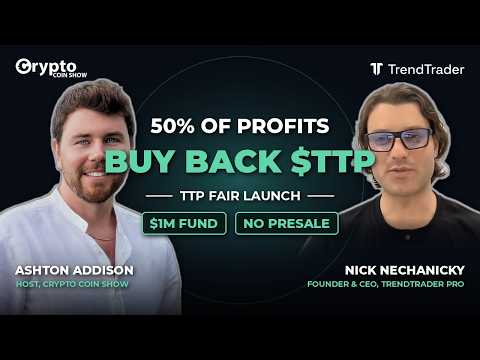 How TrendTrader Pro raised $1M for a token buyback fundOct 2, 2026
 Illia Polosukhin on NEAR’s privacy features and AI agents in 2026Oct 1, 2026
 How Robinhood built its own blockchain to control compliance and feesSep 29, 2026