
Tim Shea on Undercurrent’s Wavelength NFTs from ocean buoys
In this episode
Ashton Addison interviews Tim Shea, the Founder & CEO of Undercurrent. Tim discusses Undercurrents Wavelength NFTs, taken from Buoys across the world's oceans as a snapshot in time. We discuss the limited edition NFT collection, climate change, giving back to Heal the Bay, and what is coming next for Undercurrent Army.
Bitcoin Trading at ByBit Exchange: 10% off the Best Crypto Portfolio Tracker: Get Buy and Sell Signal Indicators built into your charts!:
opensea.io · engineeringrobo.com · binance.com
- Undercurrent uses NFTs as units of attention to redirect focus and resources from the crypto space back to climate action and the physical world.
- Wavelength NFTs visualize ocean buoy data from 1,300 buoys worldwide, creating unique fingerprints of the top 20 U.S. surf breaks using NASA satellite data.
- Each Wavelength NFT sale donates 10% of profits to Heal the Bay, a Southern California climate charity, offsetting the environmental impact of the project.
- The project approaches NFTs from a fine art perspective rather than as speculative assets or motion graphics, aiming for long-term cultural significance.
- Monthly wave telemetry data visualized in each NFT reveals seasonal ocean patterns that could serve as historical climate change documentation over decades.
Transcript
Read the full transcript
i'm ashton addison from event chain for investmentpitch media in the cryptocoin show and today on blockchain interviews we have tim shea the founder and ceo of undercurrent tim welcome to the show and thanks for taking the time to be here today ashton thanks so much for having us really appreciate it yeah i'm really interested in undercurrent army and the specific nfts that your team's
working on right now something i have not seen across the space at all yet and this is really cool and you're tying it all together with some interesting initiatives that are giving back as well i would love for you to kick it off to the audience with just an overview of what is under current army how did you get this idea and what are the solutions
that your team is bringing yeah 100 um well yeah thanks again for having us um my name is tim shea i'm the founder of the undercurrent army collective i'm also the founder and ceo of a company called latticework insights which is what undercurrent ladder is up to we focus on things like you know data integration data visualization um as well as data
storytelling um i also have a background as a creator um executive producer under a brand uh called 97 entertainment where we're making you know independent uh feature films um and then there's a live art collective we have here in los angeles called live action art um so the the genesis of of of undercurrent is that you know we saw this you know nft space emerging
and we were very intrigued right you know this is you know it it enables creators to have a direct relationship with their fans or direct relationship with their customers um but there's a big problem um and the problem we saw is that all a lot of the nft cryptocurrency blockchain stuff it it siphons attention away from this physical world it's a very like cerebral
kind of heady space um and then furthermore it siphons uh resources away from the physical world it is in fact damaging to the physical worlds um so obviously lots of literature about you know the electricity footprint um the amount of electricity that it takes to keep a blockchain running um and there's a problem there so um we wanted to flip the script
on that um we wanted to use an nft project to we recognized them as a unit of attention and we wanted to siphon that attention back to the physical world tell stories about um you know this planet that we're living on as well as redirect this you know newfound wealth that this community is experiencing redirect a lot of that wealth and resources uh back to climate action um
organizations and resources and so forth so undercurrent is a um it's a trend um undercurrent is a blueprint for nft and blockchain technologies to adopt to use the sort of viral mechanics that are built into um the products um as well as setting a standard for giving back for offsetting the impact that these projects have on the climate yeah that's a great intro
tim and that you said it best you know we're sort of taking away from the real world and the way that you've designed this first set of nfts and undercurrent is it's really a great snapshot of the world and really brings you back and educates you about how the world is working right now and i would love for you to just explain uh the current set of nfts the first set
that you've released here and you know what exactly they're symbolizing and you know what why are they so limited in rare edition cool no that's a good question um so you know we we wanted to have a voice in this movement um we made a decision early on to come in as a creator as opposed to a speculator although we recognize that those things are somewhat intertwined
um and so we thought you know what are the skills that we could bring to this universe that could make something cool so we know data visualization um data integration technology providers right builders of technology um was going to be our our core skill set um we certainly saw a lot of the nft activity as trolling there's a lot of trolling right i think the idea that you
would buy some of these you know jack dorsey's first tweet uh and a whole long tale of other uh nfts that popped up um our gimmicks their gimmicks in a way um we also saw that there was an oversupply of a certain sort of genre of nfts you know a lot of people would just tend to refer to them as just motion graphics so the motion graphic graphics people i think are having a bit
of a renaissance right now um you know an astronaut flying through a building with like flowers everywhere it's just like sort of like that's the style um and and certainly lots of junk i think anyone in the world can go on wearable and and so forth and see just lots of junk that's out there and so the crypto punks and autoglyphs projects for for me really kind of
grounded that conversation i instantly recognize that you know in 20 years time crypto punks are going to be hanging in the moma hanging in the moma um next to uh jean-michel basquiat paintings and mark rothko paintings um jackson pollock's and so forth and um you know in fact you know like a like banksy you know who was kind of like the original prank artist or publicity stunt
artist in many ways nfts have stolen that mantle from him right and it's just like they they're quite good at grabbing attention so we we knew we we wanted to approach this from a fine art perspective um but we knew that it was an nft at the end of the day this is an attention a unit of attention that we're producing so um wavelength nft was the first project
that we created um it tells the story of this grand you know choreography that's happening on the earth um it tells that it answers the question um what is the frequency of the ocean i mean there's there's 1300 buoys floating in the ocean um they take these 20-minute samples and they send the samples to space is that one of 17 satellites that are orbiting the earth those
signals are relayed back to wallops island virginia where nasa is they collect and clean and archive all this data and send it back out to the national weather service for a whole variety of uses uh and then they they allow it to for you to download it you can we pull it um in through an api we pulled it through um a python algorithm that we developed
that tells the story of the unique uh kind of fingerprint of the top 20 surf breaks in the united states um you know uh in many cases this is like you know 10 20 30 years worth of wave data uh this is what kind of makes them uh unique is that there is no other break just just like this each of the individual ones we um so we built them um it was quite it
was quite a techno technological challenge to pull off uh we listed them on openc which we found to be a great partner in this they're each listed for one each um we give back 10 of the profits for each nft and make a donation in the buyer's name to heal the bay which is a great climate charity um here in southern california so that's the story of um of wavelength
and a team wow that's great tim and i really like how you're trying to tie it into a more elegant form of art the fine art you know it it definitely does seem quite memey uh on the you know on the crypto twitter where you're seeing influencers just post animated gifs and you're like well where's where's the artist that you know these renaissance artists
and these like mona lisas eventually are going to be able to get onto the blockchain and actually you know move the actual art industry onto the blockchain right that's right yeah that's right to to to and to have a picture that actually has a lot of value either from the artist or through itself i think you know they say a picture's worth a thousand words and obviously
these wavelength nfts have a lot of information in the frequency snapshot that you're that you're taking that's right that's right so it's pretty cool um and it's really interesting how you have you know different buoys throughout the world and you're taking a snapshot and you're also trying to bring awareness to climate change and and just how the world is
changing right now and i'm curious with this amount of information and looking at this snapshot let's just say that these nfts are on the blockchain for years decades to come as they can be there forever if you look back is it do would you see the ocean changing or would the snapshot be completely different if you took it 20 years from now or 50 years from now
it would you know i um i i think i hadn't thought about this particular thing when we were building them um showing the effects of climate change we were thinking more of like these are a lot of these breaks let's say for surfers um have a sort of sentimental uh value a lot of memories tied up in in riding some of these breaks um but certainly it is a data
visualization exercise as well and you can see the sort of seasonal patterns each line on the um on the pieces represents one month of wave telemetry data um in some cases you can see you know the seasonality you know summer to winter um the patterns of those waves change the the um the sort of larger lines on the right-hand side of the x-axis represent larger and
larger waves so uh you see ones on the left-hand side they're 0 1 2 meters high and as they get out towards the right hand side these are waves that are you know uh five uh five ten fifteen meters high ten twenty thirty feet high these are massive waves that they're that they're displaying and so you know global warming and specifically climate change i mean that
is the thesis that there is um some areas are getting hotter some areas are getting colder and that storms are getting more intense and you'll see uh the effects of this and in some cases where let's say um in we've got a great one from alaska we've got one from uh montauk on long island uh one off the coast of oregon those breaks in the northern parts of the
globe are rougher there's more storms there's a lot more activity going on versus let's say southern california where it's a little bit more placid a little bit more consistent and certainly if you saw major aberrations in those patterns um places that are close to sea level like florida are going to see lots of problems emerging you don't want to see a
20-foot wave off the coast of uh of miami uh it could be sort of catastrophic and so i think it's a good point that you bring up that um you might be able to monitor closely monitor the effects of climate change um with the pieces themselves definitely i think that's really cool and i find it interesting is these wavelengths it's a very niche uh not a lot of people
think about this type of art you know it's a it's a very special type of art and putting on nfts brings a special type of crowd as well and i'm curious if your team thought ahead of of who were the people that might be interested in this whether it's crypto investors fine art investors surfers uh people that study the waves you know it seems like you could it
could be attracted to a bunch of different crowds it's a good it's a good question i we we've had the question too like where did you get the inspiration for this and we knew the story like we knew what we wanted to do but how we had the inspiration is a bit of a mystery i think um but i will tell you this once we started once we found the idea you just
become obsessed with it you become upset you sort of live in your brain you live on these buoys one you know one ten fifty hundreds of miles out into the ocean um so we think that there's a lot of um you know data geeks that are interested in this we think that there's definitely a fine art community of folks that are thinking about you know art hanging in their
living room we know that the data visualization community will react well to these um you know i i will say in in a year's time when we look back you know this will win the data visualization award i i think it's a very cool project that if i saw this from the outside i would be very drawn to um certainly surfers um you know that the surf community um is very closely tied with the um you
know the climate community um that these these individual breaks have sentimental value uh to them um and so yeah so anyone from any of these disciplines um who are interested in in um owning a piece of you know unique you know breathtaking art and and having you know uh making a donation to climate action organizations and their name um we're very interested in working with
them so we did this in the context of earth day uh and we say listen you know no reasonable offer no reasonable bid on the pieces will be refused so we would love to sell the whole collection and look back and say we've already donated hundreds of dollars to to um uh heal the bay uh and we hope that that number is astronomical uh we'd love to look back and say
we made a measurable uh impact definitely and i think it's great to release them on earth day and just remind me again you you mentioned there was currently there's 20 different buoys that have 20 unique art pieces and those are on open c right now that's correct that's correct and is your team planning on doing further tranches or different projects
i know if this sells out right away you know is there anything else in the works that you have you know more buoys or something else sure um you know we um i think first off we definitely have seen a lot of inbound interest in the project um both from people that are interested in making other variations of it um and then also you know traditional advertising agencies
uh brands um publishers that are trying to figure this stuff out for themselves you know so we've seen a lot of stuff come in uh that way but certainly when we've talked a little bit about commissioning um specific breaks um there are some that are gorgeous i mean there's some that were very difficult to get data for their uh you know bieritz in france is a legendary
surf break there's a buoy about 70 miles off the coast of france and um we just couldn't find the data it's just like we're like in the spanish climate you know website like 11 clicks deep trying to find the stuff uh there's one off the coast of um uh in ireland off the coast of galway so maybe unsurprisingly a really dedicated um pretty gangster crew of surfers that
serve in pretty cold water with some pretty gnarly uh rocks and cliffs that they're coming up against um and so those are hard to get you know fiji tahiti there's buoys you know like i said 200 miles off the coast of some of these places and some of them are not managed by the um by the uh by the noaa and in the us um so we're definitely keen to um start
to react to see what the market um comes comes in asking for uh but certainly we're also interested in a sort of broader application of um you know how can we use this undercurrent blueprint to help other folks roll out similar projects in the future definitely and i think it's so interesting to have the buoys in in all different countries and different oceans
throughout the world uh and it just attracts like you know say you're in europe there might be one right nearby you that it's like oh wow there's like this is my where i live um so super cool and we're running sort of short on time tim but for the viewers that are interested in you know learning more about these art pieces and picking them up and following uh
your project as you release more what's the best way for them to get involved certainly um they can visit us on our site on the site it's called undercurrent dot army uh we're very excited to get that top level domain um they can see us on instagram at uh undercurrent army um we're listed on openc under wavelength nft and we're certainly interested in
collaborating with folks that are interested in poking around um in this industry we we recognize that you know nfts are a sort of new form of e-commerce it's a new form of engaging with brands uh building a brand in 2021 is is hard work um we know that you know there's data living and you know for an average brand has a data living between 10 and 30
different databases um and we know that the blockchain and nft space it really only has it's like you know five percent of the technology that's needed to support modern commerce modern marketing and attribution modern rights management um and copyright um and so you know we're interested in making an impact there and we're interested in collaborating with other
folks in the space um that want to move this sort of you know blockchain technology forward to um so it can capture all of the promise that it's that it holds i completely agree and all the best moving forward with the project i will leave those links in the description box below as well for the viewers so they can take a look at under current army site and on openc
and let's follow up in the near future i'm excited to see uh where this goes excellent ashland thank you so much for having us on the show really appreciate it
More interviews
 How Anvil lets you use crypto as collateral without sellingOct 6, 2026
 Pawel Mastalerz on how Daski helps AI agents navigate the webOct 6, 2026
 Why banks are building for Web3 in silenceOct 5, 2026
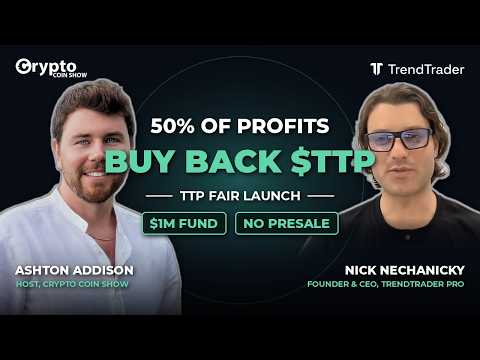 How TrendTrader Pro raised $1M for a token buyback fundOct 2, 2026
 Illia Polosukhin on NEAR’s privacy features and AI agents in 2026Oct 1, 2026
 How Robinhood built its own blockchain to control compliance and feesSep 29, 2026