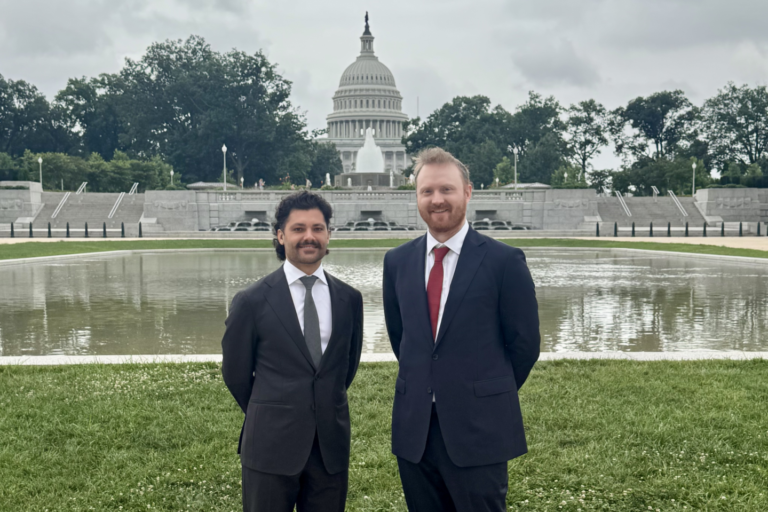
Matt O'Connor / Legion

Matt O'Connor on how Legion is reshaping Web3 fundraising

InterviewAugust 22, 202528:08

Follow Matt O'Connor · one email when they are back on the show

Prefer to listen?Audio version on Spotify

In this episode

I’m Ashton Addison from BlockWest Capital, InvestmentPitch Media, and the Crypto Coin Show. In this Blockchain Interviews episode, I sit down with Matt O’Connor, Co-Founder of Legion, to discuss how Legion.cc is rethinking early-stage crypto fundraising. Matt shares how Legion rewards contributions over capital, ensures fairness in token sales, and vets top-quality projects in a way that benefits founders, investors, and the community. We dive into what “invest like an insider” means in today’s Web3 world, how regulation is shaping the ICO landscape, and why merit-based investing could be the future of crypto funding. We also look ahead at Legion’s roadmap, its competitive edge against major launchpads, and how anyone can get started building their Legion Score to gain early access to projects.

Key takeaways
  • Legion has grown to 150,000 users and facilitated over $25 million in fundraising for utility token projects in less than a year.
  • Legion differentiates itself from permissionless launchpads by vetting teams for legitimacy, requiring KYC, and involving community feedback in project selection.
  • Founders can hand-select token holders by connecting user data from Twitter, GitHub, Farcaster, and blockchain wallets to customize whitelists and allocations.
  • Legion focuses on matching value-add investors with quality projects rather than anonymous capital, addressing the problem of raising from the right participants.
  • The platform serves infrastructure, consumer apps, L2s, DeFi, and AI projects across multiple verticals rather than specializing in specific sectors.

Chapters

Read the interview

Legion's Matt O'Connor: ICO v2 and IPO v2 will become the same thing

Matt O'Connor, co-founder of Legion, returns to Crypto Coin Show less than a year after the platform launched its reputation-based token sales. Recorded in August 2025, the conversation covers Legion's growth to 150,000 sign-ups and over $25 million raised for teams, its new funding round co-led by the community, and where tokenization and regulation are heading.

Why Legion says it isn't a launchpad

Ashton: What makes Legion different from the launchpads that struggled last cycle? 03:02

Matt O'Connor: "Launchpad" is such a loaded term. It often means a permissionless platform, mainly for meme coins, where someone can launch a token with a few clicks. That's not Legion. Legion is for teams doing capital formation: raising funds for utility tokens through ICOs, public sales and pre-TGE sales, not just liquid ICOs. We've worked with everything from new L2s to consumer apps, DeFi, AI agents and Bitcoin DeFi. First and foremost, we look to weed out scams. Does the team have a background? Are they anonymous? Are they willing to do KYC with us? We also involve the opinions of power users, who get an early look at projects that have applied. That helps gauge community interest and lets us give founders specific feedback. Even if now isn't the right time, we're adding value. One of our biggest differentiators is attracting the right capital. For top-quality projects, raising money often isn't the problem. It's raising it from the right participants. Users can optionally connect things like Twitter, GitHub, Farcaster and their wallets, so founders can hand-select the exact backers they want and customize whitelists, max allocations and discounts.

Ashton: What does it take for a new user to sign up and take part in a sale? 08:17

Matt O'Connor: We strive to make it as frictionless as possible. You sign up with just an email, and you can connect as many or as few accounts as you want. You may not see every opportunity until you do KYC, which takes most people a couple of minutes: a photo of your ID and a selfie. We use a trusted, licensed third party for that data, and we're in the process of becoming a licensed entity ourselves. You won't see 20 deals live at once. You'll see two, maybe three, plus upcoming ones you can subscribe to. The whole process is five or ten minutes at most, even with KYC. When a sale goes live, you apply by depositing USDC, which is generally what teams accept. You can share your onchain score and badges, and optionally write a cover letter for the founders. Some founders say reading hundreds or thousands of applications one by one is one of their favorite parts, even though it's manual work. It's like scaling up angel investing, and it's double opt-in: the project says it'd like to raise from you, and you say you'd like to invest.

Read the full interview →

Related coverage

More interviews

Browse all 1,090 interviews

Get new interviews firstCCS Insider, the free newsletter from Ashton Addison. Twice a week.