Key takeaways
- BLOCKv pioneered programmable NFTs starting in 2015, before the term NFT even existed, focusing on utility rather than speculation.
- The company built an enterprise-grade platform for global brands like Pepsi, PlayStation, and Doritos to create NFT campaigns with real consumer engagement value.
- NFT 2.0 will shift from artwork speculation to utility-focused applications in tickets, coupons, and loyalty programs where BLOCKv aims to lead.
- Wallet addresses are becoming the new marketing frontier, replacing email as the primary channel for brands to engage and reward consumers directly.
- BLOCKv operates through subsidiary companies like Smart Media Technologies with 150 employees spanning media buying, television, digital, and NFT campaign services.
Building NFTs before the word existed
Ashton Addison: Can you give us a high-level recap of what BLOCKv has built?▶ 00:22
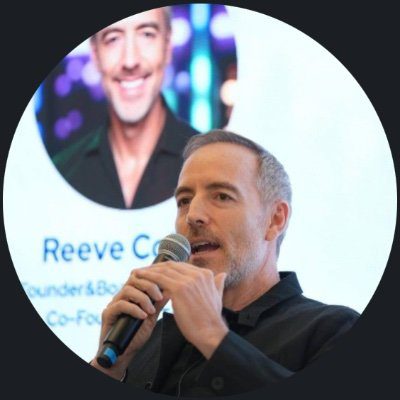
Reeve Collins: We were really the first people in the space to even conceptualize what NFTs were. We started the company in 2015, which eventually became BLOCKv, and we did the ICO in 2017. We were the first platform to build NFTs, as highly programmable digital objects, like micro apps. When we started, there wasn't even a word for NFT. What we realized was that there's massive utility in digital tokens if they're programmable. Now you're seeing those use cases come to life, such as tickets, coupons and new ways for brands to engage one-to-one with consumers. It's not just about communicating, but about giving those consumers value. In the past it was very difficult for a brand to give an individual consumer value for interacting with it. This is going to reinvent what loyalty means, in brand loyalty and influencer marketing.
Ashton: What was your original vision for NFTs, and why did you focus on utility rather than digital art?▶ 01:55
Reeve: I came out of Tether, where I was co-founder and CEO. Putting the dollar on the blockchain was a highly regulated space, with tons of lawyers, regulators and bankers. It was an arduous process. So the concept was to focus on something that wouldn't be so heavily scrutinized, like digital objects and digital collectibles. How do we create tokens that have value beyond being a means of exchange? We built a robust platform and did the ICO in 2017. To this day we're one of the only ICOs from that era that's still actively building, with a big technology platform and lots of clients. It's sad that this isn't reflected in the token, no matter how big the clients we get, whether Pepsi, PlayStation or Doritos. We promoted our technology and built the business rather than marketing the token aggressively.
That is evolving into a race to get to the wallet.
NFT 2.0: from JPEGs to programmable utility
Ashton: Does "smart NFT" just mean an NFT with utility, or is there more to it?▶ 09:18
Reeve: It's the programmability. We have a platform that makes it easy for creators to program their NFTs. They can be AR and VR, and they can be event-aware, changing state based on events because they have a listener to the internet. If you share one, it changes state. If someone in your downline activates one, yours changes state. Each object is like a little app, a container you can program, and any marketing or gaming activation you want can be programmed into it. It enables all the utility that's coming, and we already have the platform built to provide it.
Ashton: How quickly will valueless NFTs fade, and utility become the norm for big brands?▶ 10:36
Reeve: Look at the popular projects that started out as artwork, even Bored Apes. A lot of them were just JPEGs to start with, but once they built a community and a following, they started developing utility. If you own a Bored Ape, you might get access to a party or an event. Everyone is adding utility to the simple JPEG. The days of buying and selling JPEGs are over, unless it's fine art, valuable IP or a true collectible. The idea that everyone wanted to collect these JPEGs was overblown in the beginning, and that bubble has definitely burst. NFT 2.0 is going to be all about utility. That's when BLOCKv and our token, V, will shine.
Brands, wallets and the new loyalty
Ashton: Is that utility available to big brands today, and how are you delivering it?▶ 06:40
Reeve: The BLOCKv Network is the foundation and the engine, and that's where our token resides. We built companies on top of it. SmartMedia Technologies has a large sales force of 150 people, and we span services including media buying across television, digital and NFTs. We show brands that NFTs are a new way to engage with consumers, not just ads. You distribute the NFTs through traditional channels, but what you capture is a new wallet address and the ability to market to that wallet. For the last 20-plus years the race was to win the inbox, to get your email. That is evolving into a race to get to the wallet. The key feature of the move from Web 2.0 to Web 3.0 is logging in to a website with a wallet instead of an email. That lets the site reward you with cryptocurrencies and NFTs, whereas with email all you get is more spam.
Ashton: How do brands bring millions of newcomers into Web3, given the wallet hurdle?▶ 17:26
Reeve: It starts with wallets. Crypto did the world a service by educating people about wallets, and the NFT explosion showed that people put value on digital objects. Using wallets will become much easier, and the objects in them will be valued. Brands will give people a big enticement to get through the hurdle, like a sweepstakes to win something amazing or an exclusive drop. We're trying to make that hurdle very small. You'll see it in loyalty programs. This will be the evolution of loyalty points, because you'll get NFTs for loyalty, and then you can exchange, trade and sell them elsewhere. That interoperability will change the game and make loyalty points far more valuable to users.
NFT 2.0 is going to be all about utility.
The token and the metaverse
Ashton: Why hasn't the V token reflected BLOCKv's progress, and will the value catch up?▶ 12:35
Reeve: It comes down to longevity. The company has been around seven years and the token has been live over four. We're not going anywhere. The company is profitable, and many people are working on improving the token economics and promoting it more appropriately. We are a true utility token. To issue our NFTs you have to use our token, and we have to buy it on the open market. We don't take it off our balance sheet or give it away from it. That creates demand, and as it scales, more value should be driven to the token. Logically I can't help but think there's real value there. But the market and our fundamentals just haven't been connected to date. Look at the meme tokens, where all you're investing in is a logo and they're worth billions. It shows that most things are driven by hype.
Ashton: What's next for BLOCKv in the rest of 2022, and where does the metaverse fit?▶ 14:57
Reeve: It's about promoting the companies in our network and showcasing what they can do. The focus is to usher brands into Web3. How do we become the go-to advisors and technology for large corporations that want to participate? We give them a wallet, an NFT and a metaverse, and we make sure our wallets and NFTs are interoperable with other metaverses. We're at metaverse 1.0 now, with The Sandbox and Decentraland. The way I see the metaverse taking off is site by site. Every website's going to have its metaverse. Imagine an enhanced website that goes from 2D to 3D, where you click and it expands. You have an avatar or a video bubble with your face, and you can interact with friends, salespeople and merchandise in a more engaging and emotional way. That comes before the big destination worlds like the Oasis from Ready Player One.
This interview has been edited for length and clarity. Recorded May 2022.