Key takeaways
- Ethernity is an NFT marketplace focused on IP acquisition and licensing deals with major athletes and entertainers like Lionel Messi, Shaquille O'Neal, and Muhammad Ali.
- The platform offers multiple NFT utility models including digital collectibles, community engagement, and exclusive experiences like annual video calls with celebrities.
- Ethernity Labs raised $20 million in seed funding to expand offerings and compete in the market, despite the company already being profitable.
- Exorians is Ethernity's major 2022 bet, a Web3 universe including comic books, a video game, and metaverse components built as an original brand.
- Interoperability across multiple blockchains is a key roadmap priority to reduce gas fees, increase speed, and allow users to mint NFTs on their preferred chain.
Licensing the stars
Ashton Addison: What is Ethernity Chain, and what is the team working on?▶ 00:19
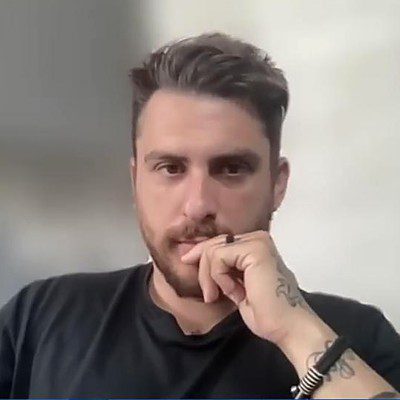
Nick Rose: Ethernity Chain is our NFT marketplace and platform. The idea came about around 2017, and we launched officially a year and a half ago. We started as a team of three and now we're a team of 70. We're fully focused on expanding our offerings, building around the ERN token, growing our community and continuing to acquire IP.
Ashton: Where do you focus within NFTs?▶ 01:09
Nick: Our first mission was to bring brands and individuals into Web3, so our first goal was IP acquisition. We spoke to individuals and companies and signed long-term licensing deals. We've done deals with Lionel Messi, with ABG, which owns the digital rights for the Elvis Presley estate, and with Shaquille O'Neal, Muhammad Ali and Marilyn Monroe. We also did a few things with Tony Hawk. We keep acquiring IP and releasing digital collectibles from those licenses.
Ashton: How do you approach the connection between an artist and their fans?▶ 02:25
Nick: There are multiple ways. The easiest is digital collectibles. Some notable figures want to build their own communities, with their own Discord, and get asked questions daily. Others just want to license their name, and we partner with artists to put out collectibles. Some come with utilities. Maybe Lionel Messi will Zoom with you once a year. I released a collectible myself, made only 20 of them, and the holders get to Zoom with me once a year.
Even though the company is profitable, we still needed capital to compete.
Drops and the $20 million raise
Ashton: How have your drops performed?▶ 04:14
Nick: This is a brand new space, so you have to play around to figure it out. Two weeks ago we did our first mystery box drop. The legendary sold in less than 44 seconds, and I barely had time to buy one. The whole drop sold out in a few hours. We've tried options, limited items, open editions and mystery boxes. We loved the mystery boxes. There was a lot of engagement, and everybody was happy in the end, which is pretty rare.
Ashton: Why did Ethernity Labs raise $20 million, and what is the plan?▶ 07:16
Nick: When we started about a year and a half ago, we only raised $2.8 million. We were lucky to be part of that NFT bull run and didn't need to raise more. But I saw a surge of companies and individuals entering the market, with valuations of $100 million or $50 million, and I thought this was not going to end well. I expected a massive market crash, and you can see it happening now, not in NFTs yet but in the stock market. Even though the company is profitable, we still needed capital to compete. So we spoke to a few strategic investors we really like and raised a $20 million seed round. The Exorians universe is our biggest bet for 2022. It's our own brand, built from scratch with its own story, and our aspirations for it are enormous.
Wearables, Exorians and a lifestyle game
Ashton: Where do you see the most potential for NFTs: collectibles, metaverses or gaming?▶ 09:35
Nick: It depends on the consumer. Some people only care about the art. I have NFTs all over my house just because I love them, and I expect no utility. Others do it for profit, and they expect the value to rise, which no founder can control. The third part is wearables and metaverse utilities, which I love. We sold wearables for Dak Prescott, the Dallas Cowboys quarterback. When our Sandbox activation is ready, and we're almost there, anyone who owns that NFT will be able to run around The Sandbox wearing his jersey. We'll do the same with Messi and many other athletes.
Ashton: A game needs more than initial hype to keep players. How are you approaching that?▶ 12:08
Nick: Gaming was always one of my three passions, along with finance and art. I always wanted to start a gaming studio, so now it's time to partner with one. Thomas, a great friend of mine, produced League of Legends and Arcane on Netflix, which broke records. He invested in our Ethernity Labs round and came on board as our gaming advisor. He's connected us to studios and helped bring in key developers and product managers. We're building a lifestyle game. There are no quests. You connect with friends, compete on the same maps and get better over years. We're taking the lifestyle approach: a game people can play with their Exorian characters. Holders log in with their Web3 wallet, and anyone without an Exorian gets a basic default character.
Ashton: What is the timeline, and what happens in the meantime?▶ 15:06
Nick: It's going to take two to three years, and two is our minimum. We have no illusions of launching a game tomorrow. In the meantime there's a financial incentive: you can stake your Exorian and earn reward tokens. We're launching a second token for that, which will become our in-game reward token. Until the game is ready, it will serve our DeFi needs. We've also written the first season of the story. The goal is to turn it into comics sold as NFTs on the Ethernity marketplace, though that isn't on the roadmap yet.
We're taking the lifestyle approach: a game people can play with their Exorian characters.
ERN, multi-chain plans and the roadmap
Ashton: How have you tackled the problems of NFTs across different blockchains?▶ 05:42
Nick: We've made a lot of mistakes at the start, and I think we're getting much better. The only way to get better is experimenting and testing. At the moment we're only on Ethereum, but one of the biggest goals on our roadmap is interoperability. You should be able to buy something and mint it on any chain you want. That means lower gas fees and more speed. Decentralization is about having options, and anyone should feel they have 100% control of their assets and purchases.
Ashton: What role does the ERN token play in the ecosystem?▶ 17:41
Nick: ERN is our native utility token. We wanted control of the use case and a community that feels it belongs to something. Everything we do within Ethernity is on ERN, whether you purchase an NFT, stake, farm or provide liquidity. In the Exorians game you'll need ERN to play, buy items and compete, and it will be the governance token too. The rewards token will be the new one. We might eventually have our own chain. I'm not saying it's going to happen, but the name was always Ethernity Chain. For now we're on Ethereum.
Ashton: What's coming on the Ethernity roadmap?▶ 19:50
Nick: We started as a plain marketplace where all you could do was buy and sell. We're now adding NFT swapping, so you can swap NFTs without a monetary transaction. It's not out yet. We've added NFT transfers, we're adding make an offer, and we're adding leaderboards. We're also building a mobile app. It was ready to launch, but it's good, not perfect, so we're still working on it. Hopefully we'll launch it through the summer. To take NFTs mainstream you need the crypto natives and the everyday people, and everyday people don't know how to use a MetaMask wallet. NFT lending depends on our legal team and regulation in the US, so we'll see when it's time.
This interview has been edited for length and clarity. Recorded May 2022.