Key takeaways
- KardiaChain mainnet has been stable for over three months with one million KAI tokens staked and over 100 smart contracts deployed.
- KAI token functions as a governance token used for transaction fees, staking, farming, and the upcoming IDO platform.
- KaiDEX is the first decentralized exchange on KardiaChain supporting cross-chain asset swaps with Ethereum, BSC, and Bitcoin blockchains.
- KardiaChain is developing an NFT platform with SDK for developers and partnerships with gaming studios to launch cross-chain NFT games.
- The team conducts weekly workshops in Vietnam to educate developers and traditional businesses on building applications and tokens on KardiaChain.
An infrastructure chain built for scale
Ashton Addison: What is KardiaChain, and what makes it unique?▶ 00:53
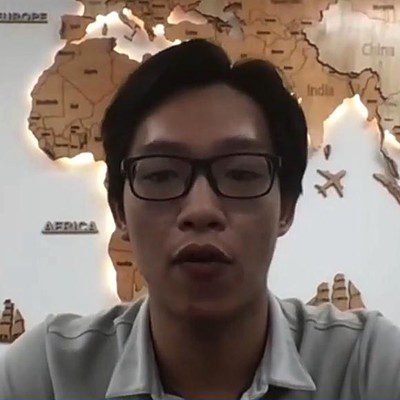
Luu Tran: We are building an infrastructure blockchain. Our goal is a blockchain that is accessible to a million users, because it is cheap, fast and efficient. We also aim to solve one of the most pressing issues facing blockchain technology today, which is cross-chain communication.
Ashton: How is KardiaChain approaching interoperability? Are you working with Ethereum or many different blockchains?▶ 02:16
Luu: First, KardiaChain is compatible with the Ethereum Virtual Machine, so you can deploy smart contracts on EVM-compatible systems. The ultimate goal is an ecosystem where developers can easily deploy smart contracts and run them on multiple blockchains. Contracts can also communicate with smart contracts on other chains in a secure manner.
Our goal is a blockchain that is accessible to a million users, because it is cheap, fast and efficient.
Mainnet progress and partnerships
Ashton: How has the mainnet performed since launch?▶ 03:39
Luu: The mainnet has been live for a little over three months, and it is stable for now. We have brought over more than 100 smart contracts from our partners and freelance developers.
Ashton: Which partnerships stand out?▶ 04:32
Luu: We are working with Theta on a tokenized esports streaming platform. The donation side is a complication, because donations are not yet legalized in Vietnam.
The KAI token, the DEX and NFTs
Ashton: What role does the KAI token play in the ecosystem?▶ 06:00
Luu: The KAI token is the governance token of the whole KardiaChain ecosystem. It is used for transaction fees, staking, farming and our upcoming IDO platform.
Ashton: What can you tell us about the decentralized exchange you are building?▶ 06:54
Luu: It is the very first product to promote our dual node technology. It provides on-chain liquidity, so users can trade assets and tokens from other blockchain ecosystems without integration from the partner chains. They can then withdraw to other chains such as Ethereum, BSC or even Bitcoin. We also provide easy-to-use trading tools, including limit orders and market orders. Users can provide liquidity to earn passive income.
Ashton: Are you building an NFT marketplace, or just releasing NFTs on KardiaChain?▶ 08:24
Luu: We provide an SDK so developers can build NFTs on our blockchain. A gaming studio we are working with will release its very first NFT on KardiaChain. Our roadmap also includes support for NFT launches, because our dual node technology lets us swap NFTs across other chains.
I think the main success for KardiaChain is the DEX, and the second is the IDO platform.
Growing developers and adoption
Ashton: How are you attracting more developers to build on KardiaChain?▶ 10:46
Luu: We host a KardiaChain workshop every week for our partners, traditional businesses, potential developers and students. We introduce the technology and show them how to build apps and how to issue their own tokens or NFTs. We will also explain the incentive program for international developers.
Ashton: What will be the key factor in KardiaChain's long-term, widespread adoption?▶ 12:11
Luu: We are working with many centralized exchanges in Vietnam that want to use the DEX. I think the main success for KardiaChain is the DEX, and the second is the IDO platform.
This interview has been edited for length and clarity. Recorded April 2021.