Key takeaways
- Koii Network built a settlement layer and task node system enabling decentralized hosting across distributed computers globally.
- The platform offers a drag-and-drop NFT creation tool and upcoming mobile app for creating decentralized media similar to Snapchat.
- Developers can deploy decentralized applications in 10 minutes using JavaScript templates without needing to learn Solidity or Rust.
- The Koii token is earned by creating content or applications that users engage with, then spent on network services and hosting.
- Running a Koii node requires minimal resources comparable to a music streaming app and provides an additional income stream for participants.
Koii's mission and what it has built
Ashton Addison: Can you give us a high-level overview of Koii Network and the solutions you're bringing to the world?▶ 00:20
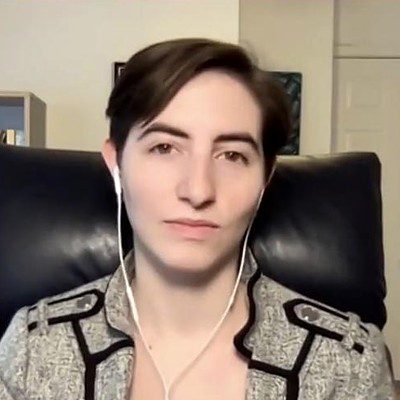
Kayla Kroot: Koii is reshaping information the way Bitcoin reshaped finance. There's a huge problem with access to information. We're seeing it now in conflict zones and with government-controlled media, where people don't have access to honest information and have no way to put out the things they want to say. Koii is building tools for anybody to get involved in web3. If you're a developer, you can build a completely decentralized app that doesn't rely on centralized services like AWS. If you're a creator making NFTs or music, you can own that content and be rewarded for it, instead of rewarding the platforms you work with.
Ashton: How long have you been working on this, and where is the team at right now?▶ 01:30
Kayla: I've been working on this since about August 2020. My co-founder, Al Morris, was thinking about how to give global access to information and how to reward creators for about five years before we even started, so it's been a long time coming. The groundwork has finally been laid. We just released our own settlement layer, which will help us increase transaction speed and payment processing. With that we're building what we call a task node. It's a network of nodes that you can run on your laptop or even your phone, and it enables decentralized hosting, web scraping and other microservices. On the other end, we built a wallet called Finney, which is my pride and joy. It has a drag-and-drop NFT creation tool. We also have a mobile app coming soon that lets you create decentralized media, almost like Snapchat, right from your phone.
If you can run Spotify on your computer, you can run our node.
Making web3 usable for non-coders
Ashton: To reach the mainstream you have to lower the barriers to entry. How have you approached usability for people who aren't technical?▶ 03:55
Kayla: We've built a UI template library written entirely in JavaScript, so if you know any JavaScript you can deploy an app in 10 minutes or less. Our head of partnerships had never written a line of code in his life, and he built a crowdfunding portal from one of our templates in 25 minutes. It wasn't tuned to any brand. Making it really yours takes a bit longer. Low-code and no-code is the future: anyone should be able to build an app if they have an idea, without having to know Solidity or Rust. On the protocol side, we track attention, which we call Proof of Real Traffic. Creators and developers get paid in our KOII token when people use what they've made. They can then use those rewards to pay for hosting through our task nodes. That makes it more affordable, and you don't have to put in a lot of money at the outset to reap the rewards.
The KOII token and running a node
Ashton: How does the KOII token work, and does it do more than pay for services?▶ 06:36
Kayla: The token is an incentive mechanism for the network. There's a daily mint. The only way to "mine" the KOII token is by putting content into the world that people engage with and use. I hate the term mining for what we're doing, but that's what everybody knows. That content could be an NFT or a decentralized application. Everyone who earns tokens can then pay the network to run microservices. You write a small JavaScript snippet and ask the task nodes to do something for you. That incentivizes people to run nodes, because they earn a percentage of what we call bounties for accomplishing those tasks.
Ashton: Most people trading crypto or using DeFi and NFTs aren't focused on running their own node. How important is node-running for Koii?▶ 07:42
Kayla: We already have about 38,000 people on our pre-registration list for when the node comes out. There's really no reason not to run one. It's such a small program that it takes up about the same space and RAM as a music-playing app, so if you can run Spotify on your computer, you can run our node. It's another income stream for you. It runs tasks from a list that we've vetted and approved, so we know they're not malicious. If you already have infrastructure for an Ethereum node or another node, you can run a heavier node in parallel and still get a higher percentage of the rewards, because you're accomplishing more of the tasks.
Low-code and no-code is the future: anyone should be able to build an app if they have an idea.
Roadmap and the road to mainstream adoption
Ashton: What does the roadmap look like, even tentatively, for the mobile app, the node and other updates?▶ 09:21
Kayla: We're hoping to launch the mobile app fairly soon, though I won't put an exact date on it. After that comes the desktop node, so if you aren't a creator, you can run our node and earn tokens that way. There will be a public sale. I'm more product and design, so I won't claim to know the details, but it should be this year for sure. Beyond that, we're doing a lot of partnership work and building up other apps that use our task nodes and infrastructure. We'll also build an ecosystem fund down the line. If we make it super easy for people to build the next set of apps on Koii instead of in a centralized way, that's how global adoption will happen. Some people don't know about web3 or are scared of it. They'll start using an app built on Koii, love it six months later, and then find out it's decentralized. As long as it's as good as or better than what they're used to, that's how we get everybody involved.
This interview has been edited for length and clarity. Recorded April 2022.