Key takeaways
- Shardeum uses dynamic state sharding to enable low gas fees while maintaining decentralization and security at the layer one level.
- Dynamic state sharding allows consensus at the transaction level, reducing computational power needed for validator nodes and enabling broader participation.
- Shardeum emphasizes both technical decentralization and human decentralization through global proof of community events across Vietnam, India, and the United States.
- The blockchain ecosystem will likely feature multiple specialized layer one chains serving different purposes rather than a single dominant chain.
- Lowering barriers to entry for node operation is critical to preventing centralization around large warehouse operations with expensive hardware.
Scaling without giving up decentralization
Ashton Addison: What is the Shardeum network?▶ 01:55
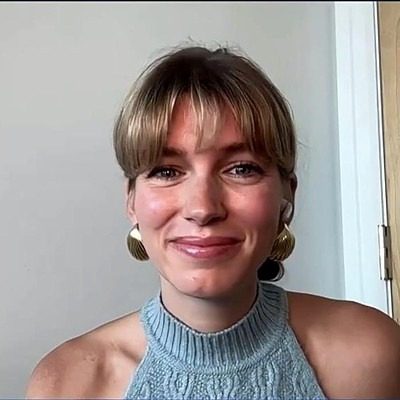
Kelsey McGuire: Shardeum is a highly scalable, EVM-based layer one blockchain. We deployed dynamic state sharding to enable low gas fees while maintaining true decentralization and security. That means transactions can happen quickly, and we're focused on keeping fees low forever. Most blockchains that promote high scalability are making sacrifices on decentralization, so we see a huge opportunity to build a solution that aligns scalability with decentralization at the layer one level. The faster the blockchain becomes, the more decentralized it is.
Ashton: Visa and Mastercard are fast because they're the only ones doing it. What do people misunderstand about decentralization and the trilemma?▶ 03:06
Kelsey: The first thing to dig into is dynamic state sharding. Consensus happens at the transaction level, which lowers the computational power needed for validator nodes. That makes it possible for anyone to run a node, which increases decentralization. But we sometimes focus only on the tech side, and web3 is built by people for people. Unless we focus on a broad range of geographies and socioeconomic standings, I don't think we could ever be truly decentralized. We need to focus on both the human side and the tech side.
Ashton: Bitcoin and Ethereum have become hard to join without serious hardware. How does Shardeum make it easier for people to get involved?▶ 04:34
Kelsey: A big part of it is proof of community events around the world. We recently spun some up in Vietnam, they happen all across India, and we've kicked some off here in the United States. Those human-driven interactions and education moments spark the engagement we're looking for. On the technical side, people can use equipment they already have to spin up a node. They don't need to be part of a group with a giant warehouse or spend thousands and thousands of dollars. That shouldn't be the barrier to entry.
Unless we focus on a broad range of geographies and socioeconomic standings, I don't think we could ever be truly decentralized.
One chain to rule them all?
Ashton: Will there be one chain to rule them all, or will multiple chains work together?▶ 07:36
Kelsey: I always smile when I hear that, because I love a good Lord of the Rings reference. I think there will probably be a few different chains serving specific purposes. They'll be composed of the best features of the layer ones currently involved in what I see as a massive L1 race. I also see a shift toward usability. We still have a ways to go, especially for the average consumer, but I've seen progress in gaming, where games are now geared toward fun and experience rather than just a transaction. The shift from play-to-earn to play-and-earn is really key and indicative of a much larger positive trend in web3.
Onboarding builders and players
Ashton: Is Shardeum lowering the barriers to app development and user engagement?▶ 09:59
Kelsey: You'll hear a common theme here, which is community. Our community events are where we educate and onboard people and make sure they have a key support system. Even as we improve usability over the coming months and quarters, we can retain people and keep them engaged without them getting frustrated and falling off. We also work with the founders in the Shardeum ecosystem on resourcing, marketing and comms, and on strategic partnerships that help them bring in their networks.
Ashton: Does the ecosystem have a short-term focus: DeFi, NFTs, gaming or something else?▶ 11:36
Kelsey: L1s are all nervous about getting pigeonholed into one vertical, and we're working with projects across all of them. But I'm particularly excited about gaming. It's a great on-ramp to web3 and a unique, interactive way to build trust and relationships, both with people already in the community and with those just dipping their toes in. We're looking at ramping up those efforts over the next quarter.
The shift from play-to-earn to play-and-earn is really key and indicative of a much larger positive trend in web3.
The raise and the road to mainnet
Ashton: Shardeum just closed a round of over $5 million. What can you tell us about the raise and the partners?▶ 14:17
Kelsey: We're thrilled. It came in at 5.4 million, I believe, and in these market conditions it shows that investors and partners are confident in what we're doing. They see our Discord community, which I think is now 500,000 people and still growing, and the potential on both the technical and the human side. Angels like Crypto Viet contributed, and we're already spinning up proof of community events with them in Vietnam. Amber Group is among the other contributors. It's a global group, and global contributors bring better strategic value in resourcing, connections and partnerships. Our partners are contributing in unique ways beyond just the capital.
Ashton: What will Shardeum do with the capital?▶ 17:41
Kelsey: We're excited to grow in some new geographies. I'm based in the U.S., so we're spinning up community events here, with side events and educational moments alongside the larger conferences. We're also looking at key hires on both the people side and the technical side. There's a lot to do over this next year, especially as we head toward mainnet at the end of the year, which is the next massive milestone for us.
Ashton: What needs to get done for a successful mainnet launch?▶ 18:26
Kelsey: On the technical side, we need every single feature complete that we were aiming for. On my side, the growth team is doubling down on education and community efforts and structuring some unique campaigns around our brand and core values. That way, when you think of Shardeum, you understand who we are and what we do, and how to get involved and be part of the community.
This interview has been edited for length and clarity. Recorded July 2023.