Key takeaways
- Bumper's DeFi protocol allows users to hedge downside risk on crypto assets while maintaining upside potential, unlike traditional stop-loss orders.
- The platform launched its liquidity provider program and accumulated over 11.7 million USDC in locked funds within the first hours of launch.
- Users can earn BUMP tokens by providing USDC as liquidity to the protocol, with an option to allocate 20% of deposits toward direct token purchases.
- The protocol operates with two sides: makers providing stablecoin liquidity for yield, and takers purchasing downside protection policies by paying premiums.
- The BUMP token price is algorithmically tied to total value locked in the protocol, creating native limitations without manual caps on deposits.
Protection without selling
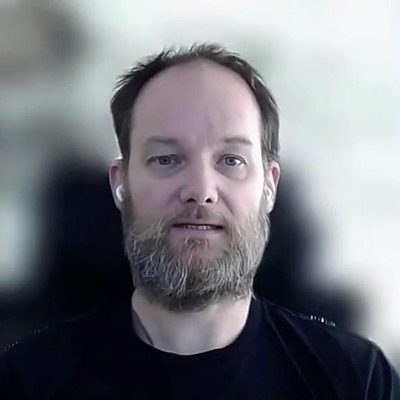
Ashton Addison: For viewers who missed our first interview, what is Bumper and what problem does it solve?▶ 00:24
Gareth Ward: Say you hold ETH that you picked up at $3,000, and you've protected it through Bumper at 90% of its value. If the price drops below $2,700, the protocol kicks in. The price could plummet to $2,000, and you can pull your ETH out at that point and walk away with $2,700 worth of value. You pay a premium for that, and the premium incentivizes the other side of the marketplace, which provides the protection.
Ashton: How is that different from selling into Tether and trying to buy back lower?▶ 01:13
Gareth: The other options are options desks, which can be clunky and don't have enough liquidity in crypto these days, and you're stuck with fixed timelines. Then there's the stop loss, which is a one-way ticket. You set it at $2,700 and you're out. If it turns out to be a small dip that was inconsequential, you wake up the next morning out of your position and ETH has popped back up to $3,500. I think we've all been there, and it's really frustrating. Bumper gives you peace of mind that you're protected if the price goes below a certain point, but you still have your position on the way back up. It's simple in theory but very difficult to execute, and there were fundamental hurdles we had to resolve. It was in solving those problems that we came up with Bumper.
Ashton: How does a user actually interact with the protocol?▶ 03:29
Gareth: It's decentralized, so say you use MetaMask. You connect your wallet to the Bumper dapp and take out protection. You're sent back a representative token for your proportion of the ETH pool. People taking out protection are getting a policy, and we call them takers. On the other side are makers, who are liquidity providers supplying stablecoin to the protocol. If you send USDC, you get a representative token back for your proportion of the stablecoin capital pool. Takers pay premium fees to maintain their policy, and makers receive those fees. The protocol takes a small clip to keep developing. So both parties are incentivized: one to protect against downside risk, the other to earn yield.
Then there's the stop loss, which is a one-way ticket.
A launch that outran expectations
Ashton: The dapp went live and over $10 million was locked in a short time. How did the launch go?▶ 05:40
Gareth: It was really good, and a fun day. Our dev team was very methodical, and the deployment checks and balances were done very professionally. I spoke with Jonathan the day before and we thought a million dollars in the first 24 hours would be a win. Once we went live it moved so fast: four million in five minutes, then eight million in the first four hours. It was designed to bring LPs in to play the maker part and to get people interested in BUMP. Before the presale and a proper public sale like an IDO, this was a chance to get some BUMP, but you have to earn it by bringing USDC into the protocol. You can farm BUMP by providing the entire amount, or take 20% of your deposit and use it to buy BUMP directly, which can increase your BUMP allocation quite a bit.
Ashton: Is there a limit to how much can go in, and can users still deposit?▶ 07:59
Gareth: Yes, you can still deposit, and there's no limit. We tried to do something a bit different. We felt TVL was important and that getting more value locked in helps the protocol, so we aligned the price of the token with TVL. As you deposit, you capture a new price point, so as the value goes up, the price goes up. You don't need to set limits. There's a native limitation in how much value there is and what the team is capable of delivering.
Ashton: What happens to funds that are locked in, and when does the protection side arrive?▶ 09:49
Gareth: There's a lock-up until October 14 for this LP program. You have to see the protocol as two parts: the maker side and the taker side. We've done the maker side, and now we'll build out the taker side, which is the actual protection and a far more complicated side that requires a fair bit of work. It was important to get ahead of the liquidity provision so it's there and ready, because if there's nothing in the pool, people won't take protection out.
What the BUMP token is for
Ashton: How is the BUMP token used inside and outside the ecosystem?▶ 11:01
Gareth: Whichever side you're on, you need to stake BUMP, so it's critical for accessing the marketplace. Eventually you'll also be able to pay fees in BUMP, and there will be more utility. But few projects really ask whether they need a token at all. Many over the years didn't need one, and the token was really an effective means of fundraising. It's important to put value into the token. It's almost like the oil in the engine. Over time we'll bring out incentives and access passes, so the more tokens you hold, the more committed you are. It's also a governance token, so first and foremost it's your vote on the future of Bumper. What tokens let you do is align users and holders. In a traditional company, shareholders want to extract profit while users just want a product, so they aren't aligned. If the token is critical to using the protocol, the holder is both a shareholder who can extract economic value and a user who needs the token to use it.
It's important to put value into the token. It's almost like the oil in the engine.
The road to the full release
Ashton: What are the team's main goals between now and the end of the year?▶ 14:41
Gareth: The main thing is the build. We did an early design and scoping phase, broke the build into two parts, and deployed the LP program on the maker side. We're now back in design and scoping because the protocol has got bigger and more complicated, and we want to deliver a product with a lot of bells and whistles from the start. Then we restart the build and release the protocol in its full glory. After that it's iterations: adding new coins, such as a wrapped BTC, and looking at L2 solutions and other blockchain networks. We also have a lot of parameter settings we'll go to market with, and once it's out in the wild we'll adjust and trim them to make the whole protocol more efficient.
This interview has been edited for length and clarity. Recorded August 2021.