Key takeaways
- Elastos is building a decentralized internet powered by blockchain that runs smart contracts on internet nodes rather than mining machines.
- The platform protects digital assets through a custom virtual machine and operating system that prevents applications from copying content during execution.
- Elastos has deployed alpha versions of its peer-to-peer carrier software to approximately a quarter million set-top boxes in homes, primarily in China.
- The roadmap includes expanding set-top box deployments to half a million by year-end and achieving half a million decentralized ID users.
- Elastos plans to support Ethereum and NEO smart contracts on sidechains while building decentralized alternatives to centralized services like YouTube.
Why a ledger can't protect digital assets
Ashton Addison: How does the Elastos blockchain protect digital assets and ensure their scarcity?▶ 00:46
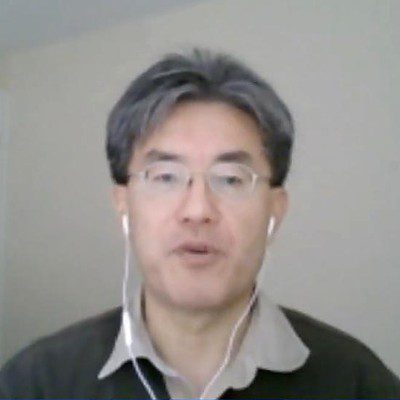
Rong Chen: A blockchain alone cannot create scarcity or protect digital assets, because all a ledger can do is issue a limited number of tokens. But a digital asset, whether it's an ebook, a movie or a game, has to be executed or rendered on a screen, and that needs a runtime environment. In the current programming model, applications send and receive packets themselves, so a third-party application could copy pirated content. Unless we stop applications from sending and receiving packets, we cannot prevent piracy, and we cannot make digital assets valuable. That's why we need a completely new virtual machine and operating system. When you open a digital asset, the process first checks against the blockchain that you have the right to open it. Then, when you run the content, the application cannot steal it. It's like a coin with two sides. Most people talk about the scarcity, the token side, but forget the other side of the coin, which is execution.
Ashton: Do you plan to integrate with Ethereum or other major virtual machines?▶ 03:03
Rong: We look at Ethereum in two ways. One is that it's popular, and we definitely see the trend. The other is that we don't want to run smart contracts or DApps on mining machines. We want to run them on the internet. So we've built side chains on top of Elastos that run on the internet instead of on mining machines. They let you launch several virtual machines and deploy the runtimes. It's under internal testing right now. We're going to support NEO smart contracts and Ethereum smart contracts on the side chains, not on the mining machines.
Most people talk about the scarcity, the token side, but forget the other side of the coin, which is execution.
A peer-to-peer network inside living-room hardware
Ashton: Are you planning integrations with IoT devices?▶ 04:48
Rong: Yes, we already have two partners. One is a set-top box vendor. It's a solution provider that doesn't make its own brands but supplies solutions to many set-top boxes. We've installed alpha versions of the Elastos Carrier software into a quarter million set-top boxes, running in people's homes, without interfering with their existing business. Carrier is how we're building a peer-to-peer internet. The first feature we provide through the vendors is remote desktop for technical support. The owner gives the support team a sequence number, and they can take over the remote desktop and fix problems remotely. We're testing bandwidth and reachability in different locales, and we also have over-the-air upgrades. We plan to add family features, such as grandchildren remotely sending pictures that display on the TV as a screen saver. We expect the set-top box installations to reach half a million or more by the end of this year. Our other partner is preparing to ship smart speakers for the Christmas season.
Ashton: Is the aim to replace the existing internet?▶ 07:45
Rong: No. We're not saying decentralization will replace the existing internet. We're saying the decentralized internet and the existing internet will live side by side, without interfering with each other's business. Eventually we'll encourage peer-to-peer decentralized services, like a decentralized YouTube, but right now video streaming is all centralized.
Ashton: Where are the boxes deployed, and are you expanding to North America?▶ 08:09
Rong: We intend to expand globally. The set-top boxes are mostly in China right now. That's not because of the box itself, it's because of the content, since centralized video streaming is mostly in Asia. The smart speakers will go mostly to Europe and America.
Decentralized ID as the on-ramp
Ashton: What are you most focused on over the next six months?▶ 09:17
Rong: Another milestone we want to achieve is at least around half a million decentralized ID users by the end of this year. On today's internet, no one has an ID per se, and no one controls the internet. But since everyone can get on, anyone can fake someone else's identity, intercept messages or launch DDoS attacks. In the new internet we're building, powered by the blockchain, we can issue IDs that aren't controlled by AT&T, Amazon, WeChat, Tencent or Alibaba. We can also use blockchain technology to manage public and private keys, so all information is encrypted peer-to-peer.
Ashton: How will people actually use these IDs without being forced off the apps they already know?▶ 11:07
Rong: For some of the applications we've deployed with partners, users can keep their existing login, such as a mobile app login or Facebook login, and they also have the option to log in with the decentralized ID. Everything else is the same. We're not asking people to abandon popular apps. But if you log in with our DID, you'll see a wallet. You may not even use it at first, but we add new features to existing apps in a very subtle way. The plan is that you'll have a wallet and scarcity-based digital assets that you can own, trade and sell, slowly throughout 2019.
If you're building a new internet, what is thirty million? Nothing.
Scope, funding and getting involved
Ashton: What's the biggest challenge Elastos faces heading into 2019?▶ 12:51
Rong: A lot of people believe Elastos is a blockchain project, which is true, but we are much larger. We've built side chains that support Ethereum and NEO smart contracts, and eventually we're building our own smart contracts. We also have partners building IPFS-compatible technology that could be much faster by leveraging the set-top boxes we've deployed. And in my mind a DApp has a broader definition than a smart contract. It's something that cannot be turned off by a third party. If we stream video from you to me, it shouldn't be intercepted or turned off by some website. At least 90% of DApps will run peer-to-peer on the internet rather than on mining machines.
Ashton: Is the challenge mainly keeping so many parts of the business on schedule?▶ 15:14
Rong: The stumbling block is actually recognition. People ask why $30 million isn't enough for us. Thirty million is not a lot of money for a blockchain startup of five people, but if you're building a new internet, what is thirty million? Nothing. It's also not just us, it's the ecosystem and our partners. If you own your own data, who helps you do the decentralized marketing? We need marketing partners. If we have the internet, who does the streaming, like the IPFS-compatible clone? Who does the cloud storage? Who runs the virtual machines the way Amazon's cloud does? Those are different areas of expertise, so we need collaboration and acceptance.
Ashton: How can people get involved with the project or the community?▶ 17:00
Rong: The project has two main parts. One is the infrastructure, sponsored by the Elastos Foundation, which we call the core team. The other is Cyber Republic. The Elastos Foundation holds 10% of the pre-mined tokens, and Cyber Republic holds about half. People can approach the Elastos Foundation to build infrastructure, or Cyber Republic to build the ecosystem.
This interview has been edited for length and clarity. Recorded October 2018.