Key takeaways
- Liteflow provides white-label NFT marketplace solutions enabling brands to launch their own branded marketplaces in weeks rather than months or years.
- The platform addresses centralization risks by allowing companies to build independent marketplaces instead of relying solely on platforms like OpenSea.
- Liteflow supports any EVM-compatible blockchain including Ethereum, Polygon, and Binance Smart Chain, offering flexibility across different network options.
- The solution includes customizable business models where companies can determine fee structures and revenue redistribution strategies tailored to their communities.
- Liteflow provides APIs and infrastructure components enabling full integration of NFT marketplaces into existing websites and applications beyond standalone platforms.
Why brands want their own marketplace
Ashton Addison: Can you give us an overview of Liteflow and the solutions your team is building?▶ 00:21
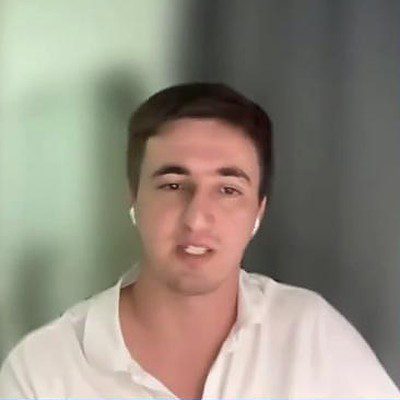
Anthony Estebe: Our team has been building products on blockchain for the past five or six years, and for the past year, with Liteflow, we've focused on NFT marketplaces. The goal is to give brands and companies that want to enter the NFT space, whether for the metaverse or for utility, all the tools they need to launch their own branded marketplace. They can go to market in a few weeks, maybe a month, instead of taking maybe a year. It's a full-featured NFT marketplace, with the initial sale and the secondary market, so they can onboard their creators and the people who want to buy NFTs.
Ashton: What problems do you see with today's NFT marketplaces, and how does Liteflow address them?▶ 01:35
Anthony: One of the major issues is centralization. In blockchain we know centralization is good to some extent, but ultimately it's not the best thing to have one platform that centralizes everything and controls the market. At Liteflow, the idea is: don't put all your effort into a major platform like OpenSea. You can also have your own marketplace for your own needs, which is good for your community and your brand. It's kind of what Shopify did. It gave people this technology to include in their own ecosystem, company and projects, so that overall it's more decentralized in where people trade and interact with NFTs.
Ashton: Do you see OpenSea losing traction as people move to smaller marketplaces?▶ 11:22
Anthony: I don't see OpenSea dying, with no volume at all. What I see is projects that are on OpenSea and on other platforms as well, and that's great. They need to be everywhere, with as many channels as possible. But they also need a space of their own in their community, where they have their products and whatever communication they want. You don't want to redirect your people to an external platform. It doesn't look or feel good for the community. There's nothing against having both. The point is to have more channels of distribution rather than focusing on a single one.
Every business should have its own marketplace, and every project that launches an NFT collection should have its own.
What the platform can do
Ashton: Does it matter which blockchain a marketplace is built on?▶ 03:36
Anthony: It does matter. We're not compatible with every blockchain. You can't do NFTs on Bitcoin, for example. But any EVM-compatible blockchain, from layer one to layer two, we can manage, and we can deploy the solution on the chain of your choice, as long as there is the ERC-20 standard. Most blockchains on the market are EVM compatible because the ecosystem is huge. Depending on business needs, a company might want a private blockchain, or a public one like Ethereum because it's reliable and well known, or a cheaper option like Binance or Polygon.
Ashton: As the market matures, will NFT marketplaces stay standalone or be built into a brand's own website?▶ 05:15
Anthony: In the first version, it would still be a separate platform integrated into your ecosystem. Ultimately, yes, it will be fully integrated in your website, your application, whatever business you have. We're working on that too. We don't just offer a product you publish and go. We also provide the infrastructure, the APIs and the components businesses need to customize their products entirely and integrate the marketplace within them.
Ashton: Does Liteflow work for centralized, governance-token and fully decentralized marketplaces alike?▶ 08:23
Anthony: It really depends on how the company wants to use the technology. We don't force anything. We work with companies and projects to help structure their business model, and that's not only taking a fee on the platform but also deciding what to do with those fees and how to redistribute them. We also give some consulting on how to set that up for their community, because every community and brand is different, and what makes sense for one doesn't make sense for another. They can apply fees or not, redistribute to one entity or several, and customize the business model they want.
Market reality and what's next
Ashton: How have NFT marketplaces evolved, and is decentralization happening quickly?▶ 06:27
Anthony: Definitely at a rapid pace, but we need to differentiate between marketplaces. Many so-called NFT marketplaces aren't really NFT marketplaces. They're centralized solutions that call them NFTs, but nothing is on the blockchain. I think a lot of these products are dangerous in a way. Then there are the Web3 marketplaces, and there are a lot of them competing with each other, which is a good thing. It's like e-commerce websites. They each have their own pros and cons and their own niche. We need to see more of these marketplaces. Every business should have its own marketplace, and every project that launches an NFT collection should have its own. Ultimately that's the way it will go. It will take time, and the work we're doing is to help in that direction.
Ashton: Is there a situation where a company is better off not using Liteflow and building from scratch?▶ 09:53
Anthony: It comes down to price and delay. They can definitely build it themselves, but you need the knowledge, the right tools and the time, and you need people who know the space, which is hard to find. Technically they could do it, but it's a question of time versus money. A lot of the leads we talk to come to us after deciding to do it themselves and failing, and now they need a solution they can use quickly because they're already a year late on their project. That happens quite often. At the beginning you always want to try to do everything on your own, and then you quickly realize it's not that easy.
Ashton: What's on the roadmap as you bring more companies on board?▶ 12:36
Anthony: On go-to market, we're starting to push toward collections directly. Right now we focus mostly on businesses that aren't yet in the space but want to come into Web3. Those deals take time, because there's a lot of education involved, including how to structure a business model for Web3. In parallel, we're starting to work with NFT collections already on the market that have traction, know what NFTs are and have an audience. We propose ways to improve their projects with their own marketplace, maybe with a system like LooksRare, where they can earn fees and redistribute them to their community, among other business models. That's the big thing coming.
You don't want to redirect your people to an external platform. It doesn't look or feel good for the community.
This interview has been edited for length and clarity. Recorded April 2022.