
Skip to content
Vik Sharma VS

Guest profile

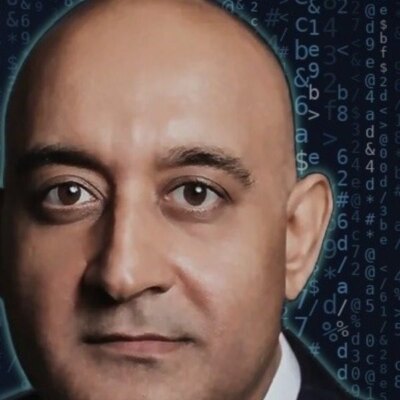
Vik Sharma

Founder and CEO at Cake Wallet

Vik Sharma (Vikrant Sharma) is the founder and CEO of Cake Wallet, the open-source, self-custody wallet built to make financial privacy easy for everyday users.

He started buying and mining Bitcoin in 2013, and launched Cake Wallet in January 2018 as the first open-source Monero wallet for iPhone. Built without venture capital, it has grown to more than 1.7 million users and now covers Bitcoin, Monero, Litecoin, Zcash and more, without collecting user data.

Under his lead, Cake shipped the first Bitcoin wallet with Silent Payments in 2024 and was the first mobile app to support Litecoin's MWEB privacy layer, then added Payjoin, Lightning payments, hardware wallet support and Cupcake, which turns an old phone into an offline signing device. The Cake team also launched Radar, a fork of Signal with built-in Bitcoin Lightning payments.

Outside crypto, Sharma serves on the board of Liberty Steel USA and was earlier president of Sherman International Corporation. He and his wife run a family office that invests in companies building decentralized and private financial systems. He holds a bachelor's degree in electrical engineering and applied physics from Case Western Reserve University.

1Interview
2026First on the show
Nov 2026Latest appearance
39 minOn camera
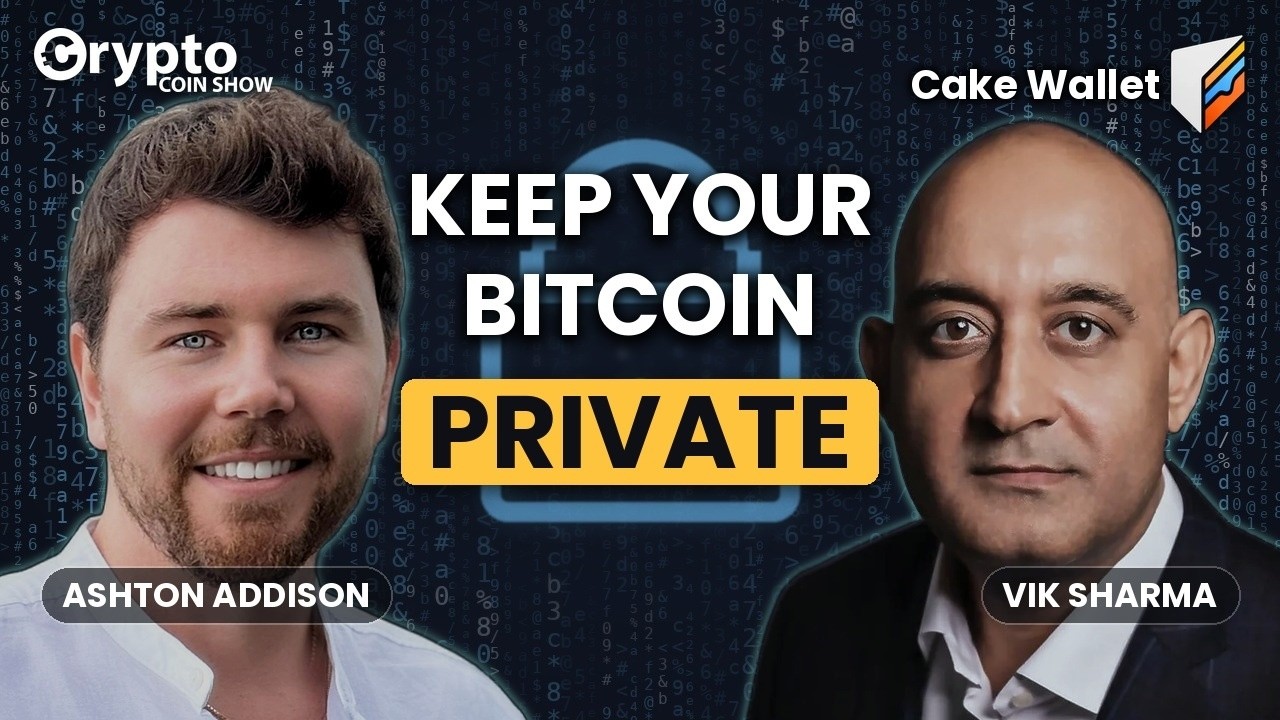
38:58 Latest interview · Nov 9, 2026How Silent Payments Keep Your Bitcoin PrivateWatch the episode →

Key points

  • Bitcoin users who buy on exchanges reveal their identity through KYC requirements, creating risks if exchange data is hacked or leaked.
  • Satoshi Nakamoto's later writings indicated privacy should be the next step for Bitcoin, addressing safety and security concerns of transparent ledgers.
  • Cake Wallet collects no user data and doesn't perform KYC, allowing users to download and start using the wallet within minutes without creating accounts.
  • Privacy coins like Monero and Zcash have gained traction because Bitcoin's transparent nature means transactions can eventually be traced back to KYC'd exchanges.
  • Current regulatory and tax frameworks discourage Bitcoin use as a peer-to-peer payment system for everyday transactions like coffee or gas purchases.

In their own words

“I'd rather have fewer users and stick to our principles.”
Read the interview →Nov 2026 · How Silent Payments Keep Your Bitcoin Private
“It's not where your Bitcoin lives, it's where your key lives.”
Read the interview →Nov 2026 · How Silent Payments Keep Your Bitcoin Private

Browse all interviews